A Phase 1 discovery document outlining the opportunity, the positioning, and the path forward for entering the premium plastic category on Amazon US. This is a starting point for direction, not a finalized product plan.
Plastic housewares on Amazon US is a multi-billion dollar market dominated by mid-tier mass brands and a long tail of cheap China imports. There is a clear gap at the premium tier, $35 to $90, for plastic products that compete on quality, design, and material integrity rather than on price.
The recommended approach is to launch a single brand with two coordinated product lines under one design language: a Home Premium line and a Commercial Premium line. Year 1 focuses on 7 to 8 hero SKUs. Year 2 to 3 scales to 25 to 40 SKUs. The long-term ambition of 100+ SKUs is realistic, but only after the brand earns review velocity and shelf authority.
The home organization category on Amazon US sees millions of monthly searches across food storage, bath, garage, planters, and kids categories. Plastic is the dominant material in most of these niches because of cost, durability, and color flexibility. The pattern at the top of every category is the same: two or three legacy brands at mid-market prices, then a wall of cheap imports underneath, then almost nothing premium.
Storage organization, planters, bath, garage, kids, and pet plastic products together represent a several-billion-dollar Amazon US category with steady year-over-year growth.
Sterilite, IRIS USA, Rubbermaid, and Hefty own the mid-tier ($5 to $30). Below them sits a wall of unbranded China imports. Above them, almost nothing.
mDesign, Bloem, OXO, and Brightroom occupy fragments of the $30 to $80 tier, but no single plastic-first brand has captured premium positioning across multiple categories.
Pull any cheap-plastic Amazon listing and read the 1-star and 2-star reviews. The same complaints surface across categories, year after year. These complaints are the wedge for a premium brand to enter the conversation.
Especially common in food storage, water containers, and bath products. Customers report needing to wash, rinse, and air out the product for days. Often returns directly because of it.
Planters break in the cold, buckets crack at the handle, drawer fronts snap. Indicates thin walls and poor resin specs to hit target cost.
Outdoor planters and garage organizers fade or yellow within a season. Buyer expected at least 2 to 3 years of life.
Shiny, slippery, looks like a dollar-store product. Customers feel the price they paid does not match the perceived quality.
Drawers do not fit advertised contents, lids do not seal properly, stacking misaligns. Indicates loose tolerances in manufacturing.
The product looks like every other plastic bin on the shelf. No design language, no brand recognition, easily replaced.
A premium plastic brand built around solving these six complaints, with an explicit promise on each, can command a $35 to $90 price point. The promise has to be backed by material specs, manufacturing tolerances, and design integrity, not just marketing claims.
These are the brands a premium plastic launch should be benchmarked against. Every brand on this list is plastic-first, verified on Amazon, and uses material story plus design language plus lifestyle marketing to defend a price point above commodity. Mid-tier brands like Sterilite, Rubbermaid, and IRIS USA are excluded because they compete on volume, not on premium positioning.
All six brands verified plastic-first as of April 2026. Price bands reflect typical Amazon US listings across single SKUs and multi-piece sets.
A 4-product spotlight per brand showing the typical product types, hero photography, and price ranges. Each cell is a real product image pulled from the brand's Amazon store or website. Click any brand name to open the live store with the full catalog.
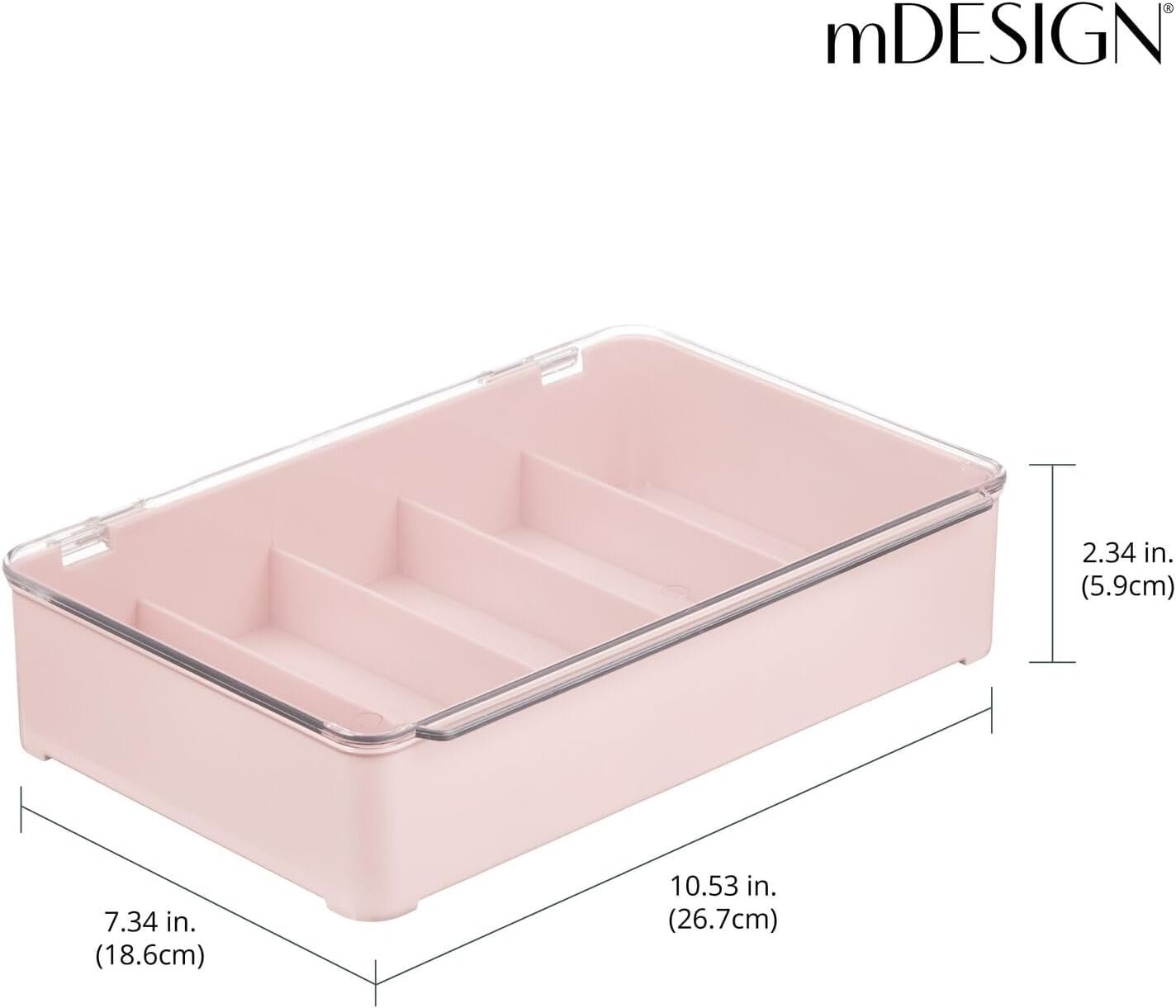
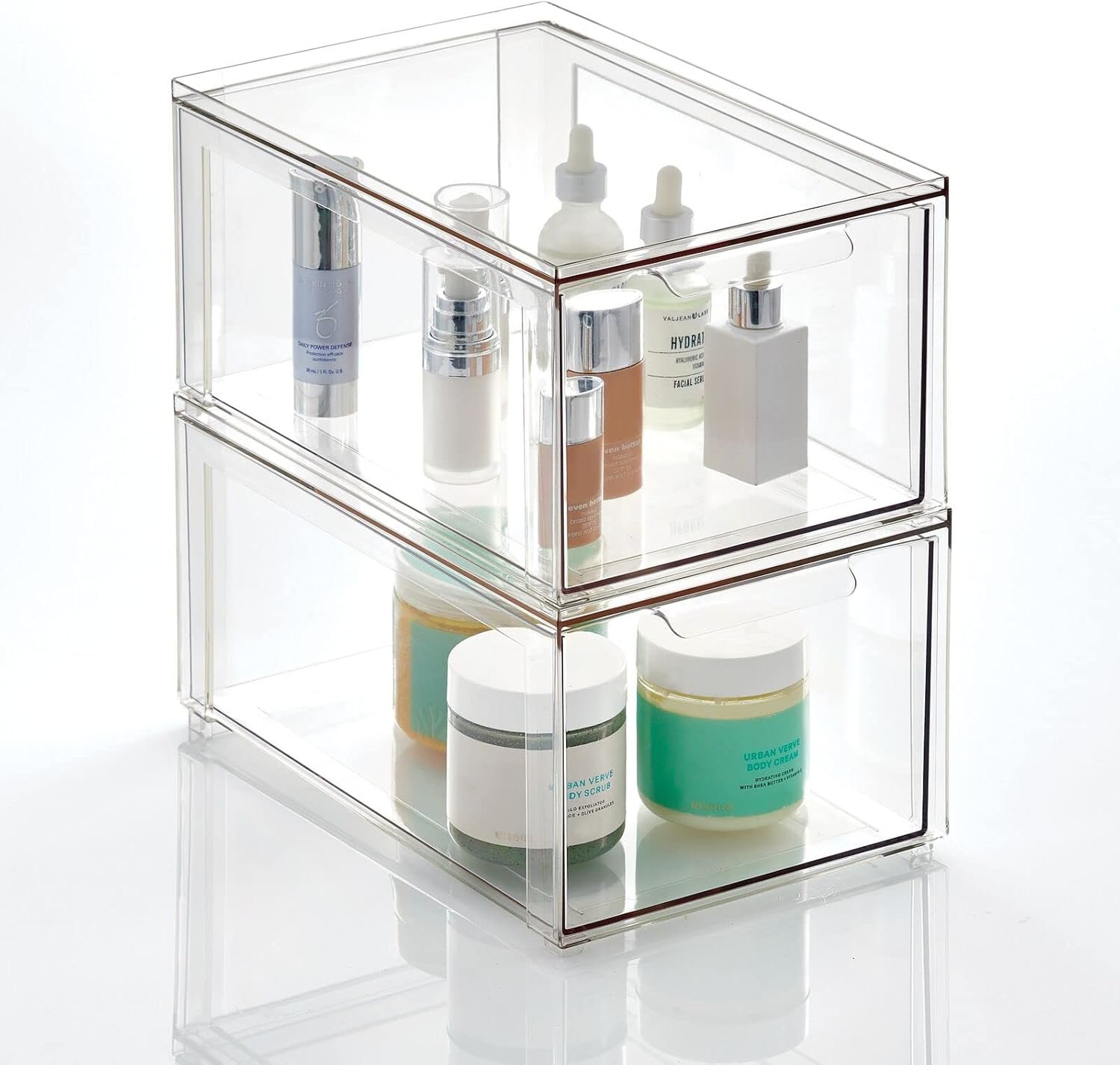
Plastic-first storage and bath. The Ligne Collection runs across pantry, fridge, freezer, vanity, and home office. Smoke gray and clear are the hero finishes. BPA-free, dishwasher-safe, modular sizing. Photographed in IKEA-adjacent clean home settings.
Verify on Amazon: mDesign Brand Store
Plastic-first verified
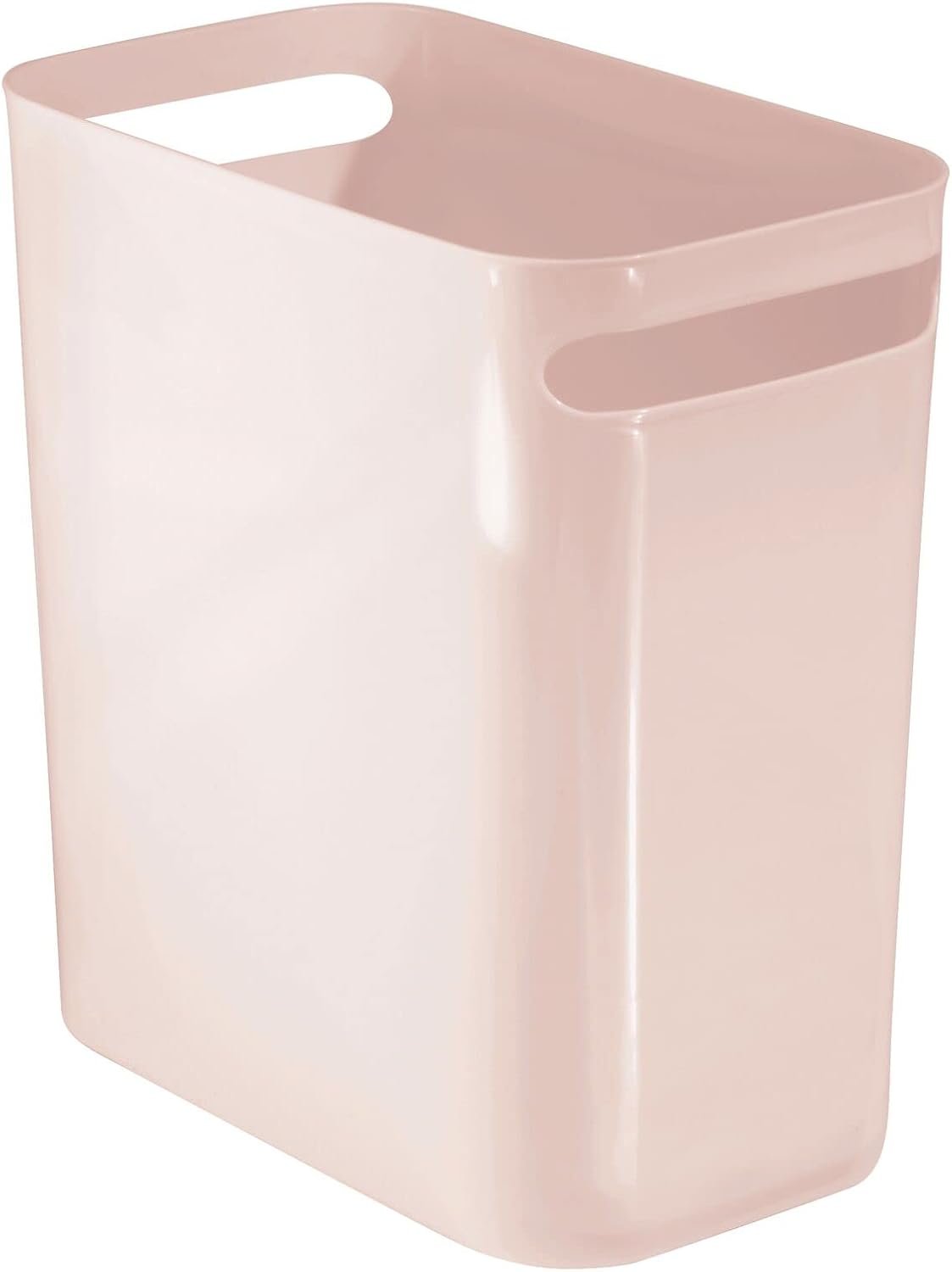
Plastic planters made in USA. Two flagship lines: Terra (durable polypropylene) and Dayton (100% recycled plastic, removable saucers, elevated feet). Color stories include charcoal gray, ocean blue, coral, and living green. Terra goes up to 24-inch sizes; Dayton emphasizes the recycled-content story.
Verify on Amazon: Bloem Brand Store
Plastic-first verified
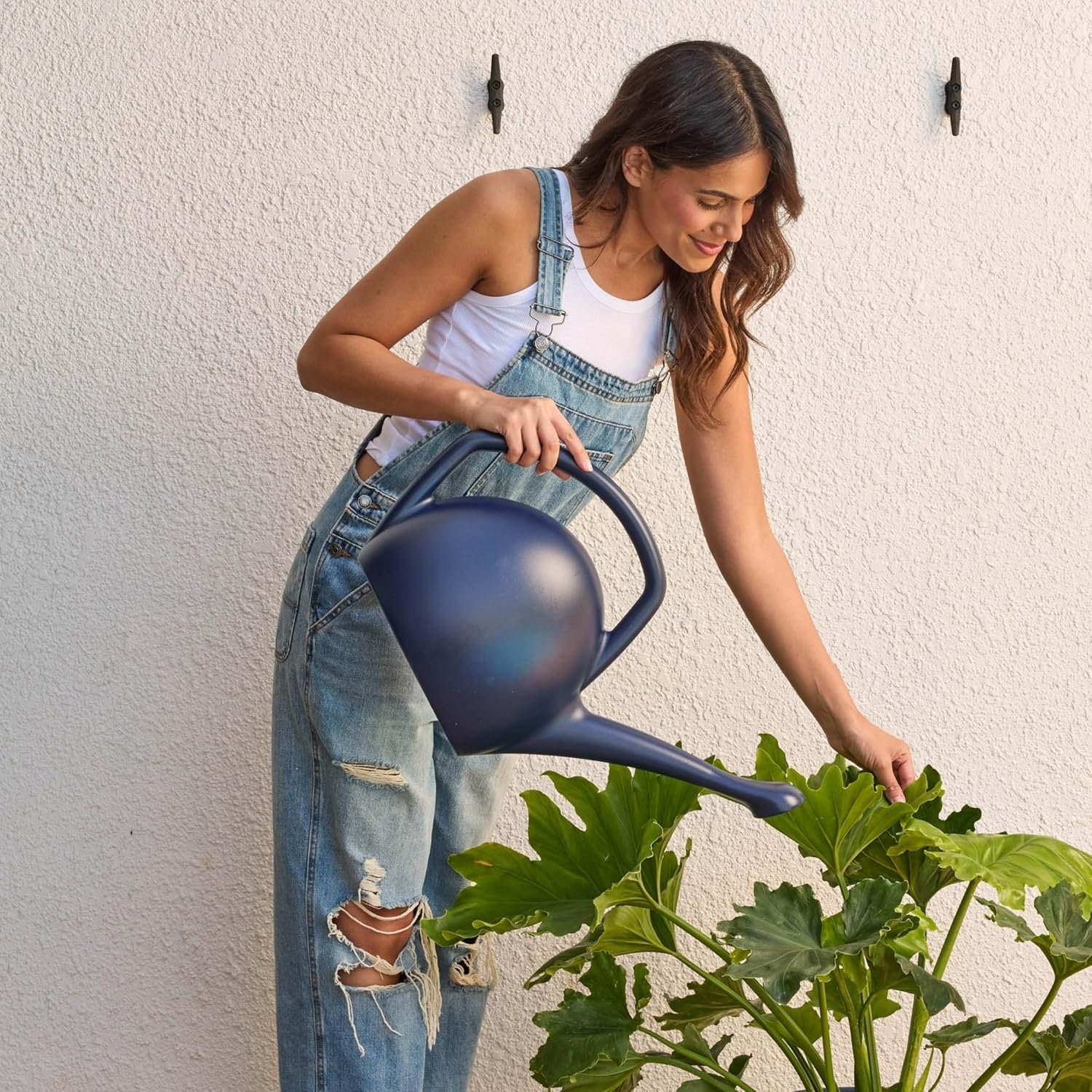
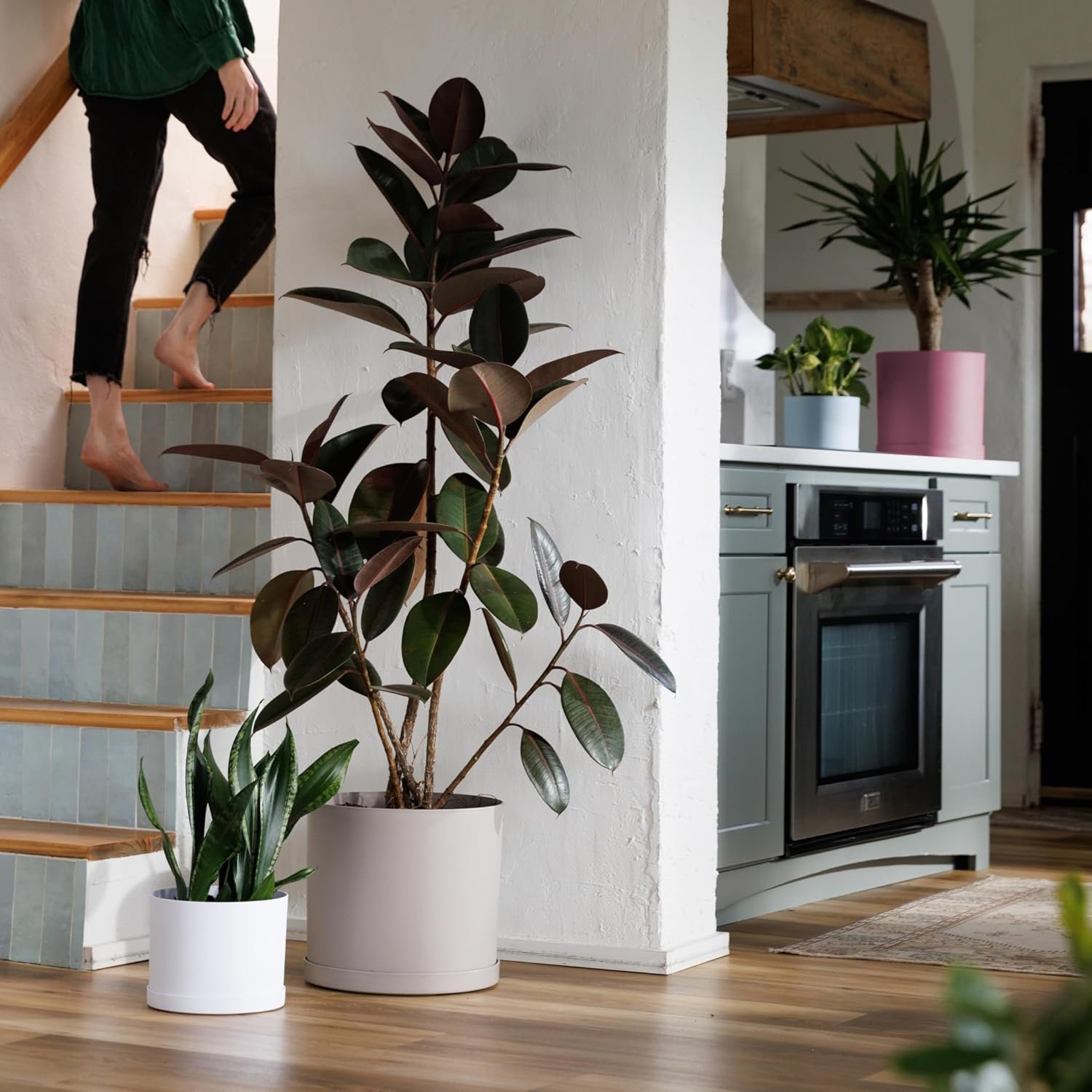
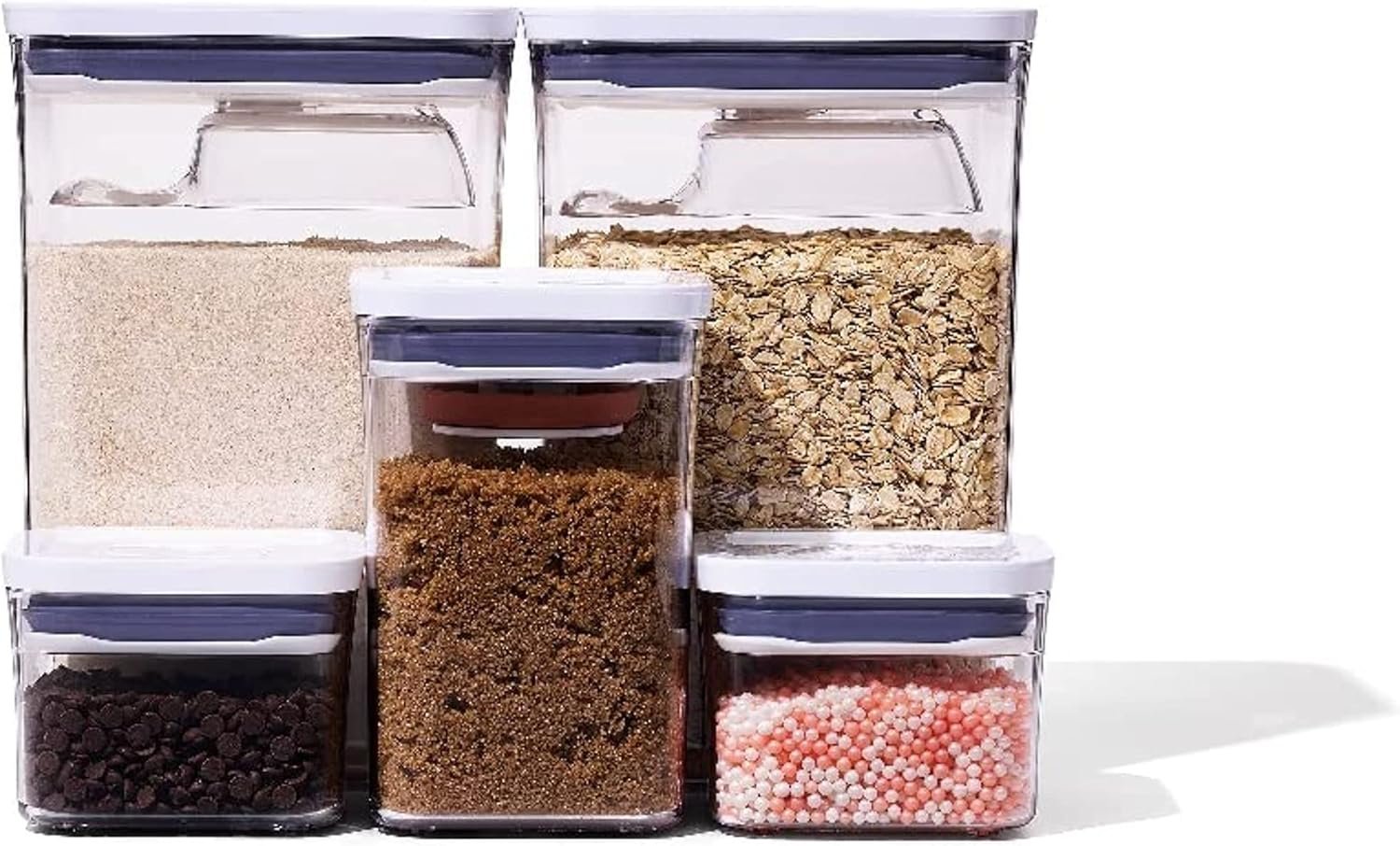
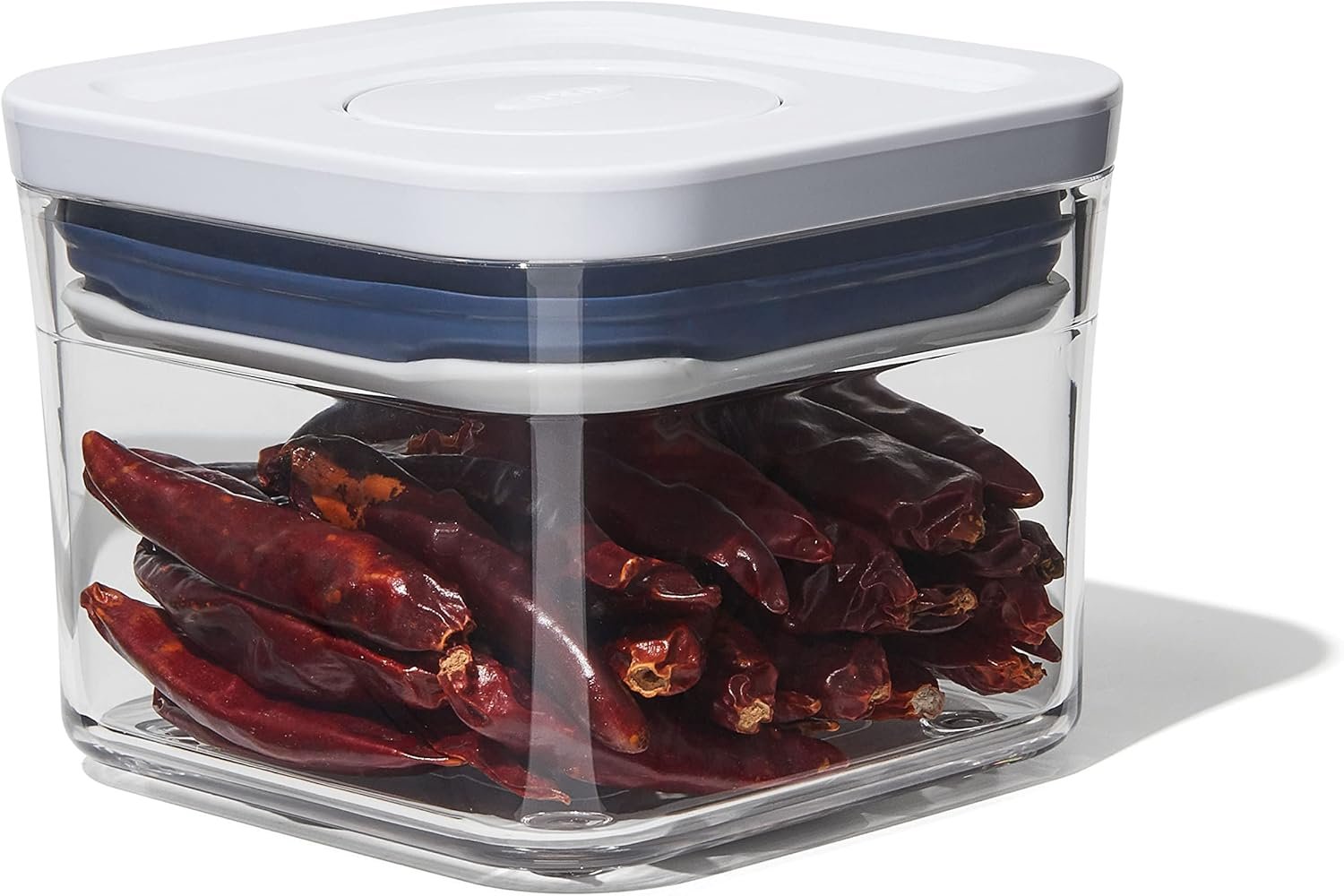
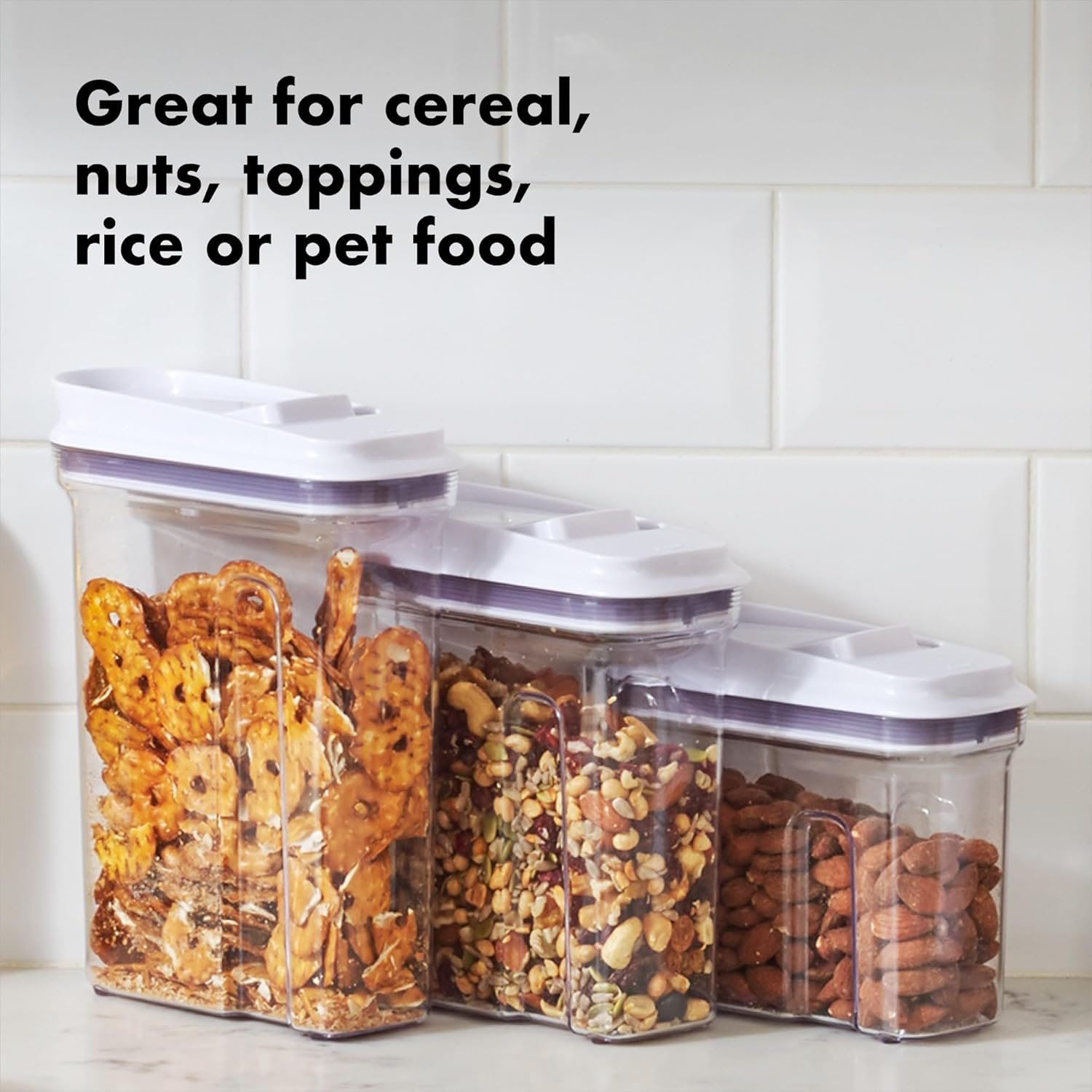
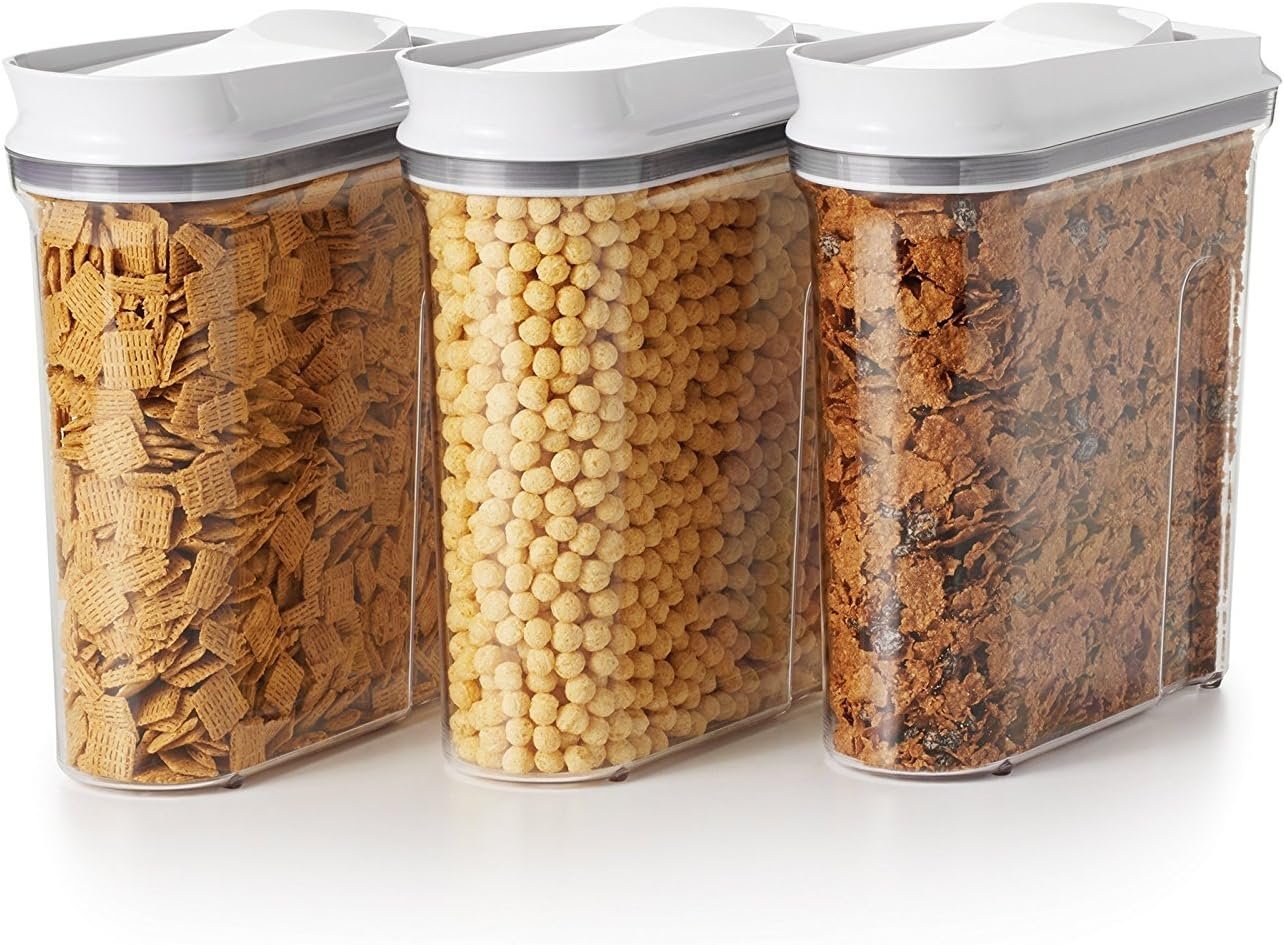
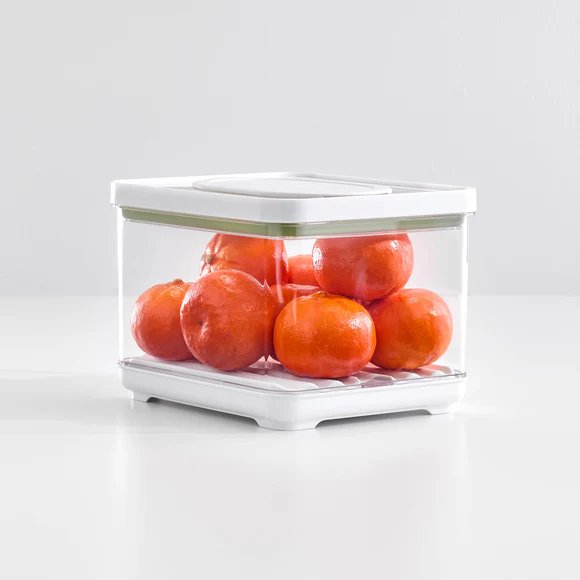
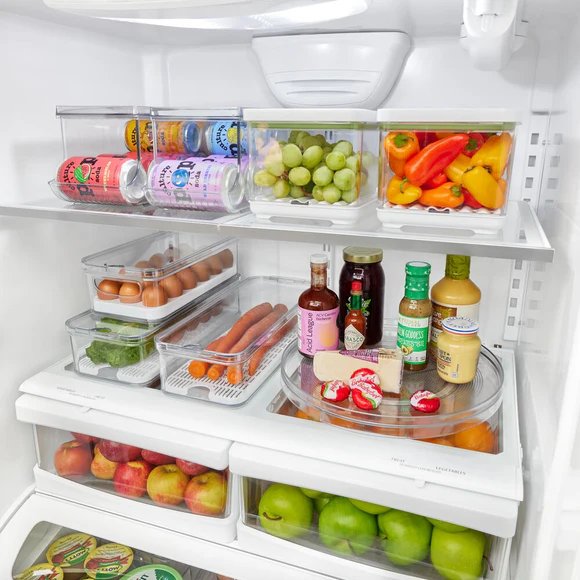
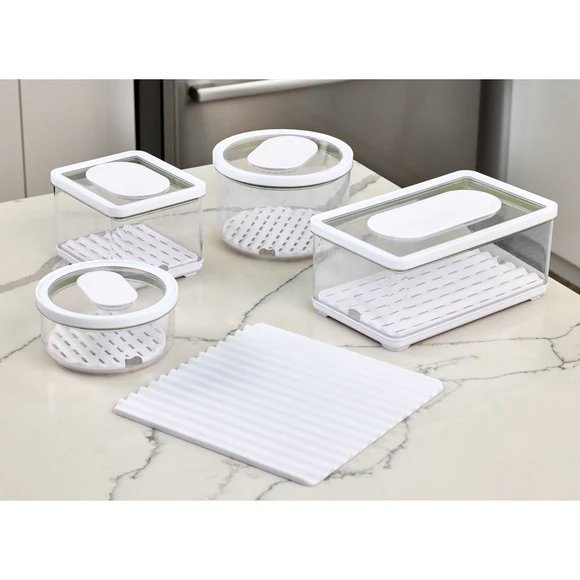
BPA-free plastic airtight pantry storage system. The push-button seal is the iconic mechanism. Sets of 5, 6, 8, 10, 16, and 20 pieces with modular footprints. Hero photography is white with stainless trim, often shot in real pantries with measuring spoons and ingredient labels.
Verify on Amazon: OXO POP Brand Store
Plastic-first verified
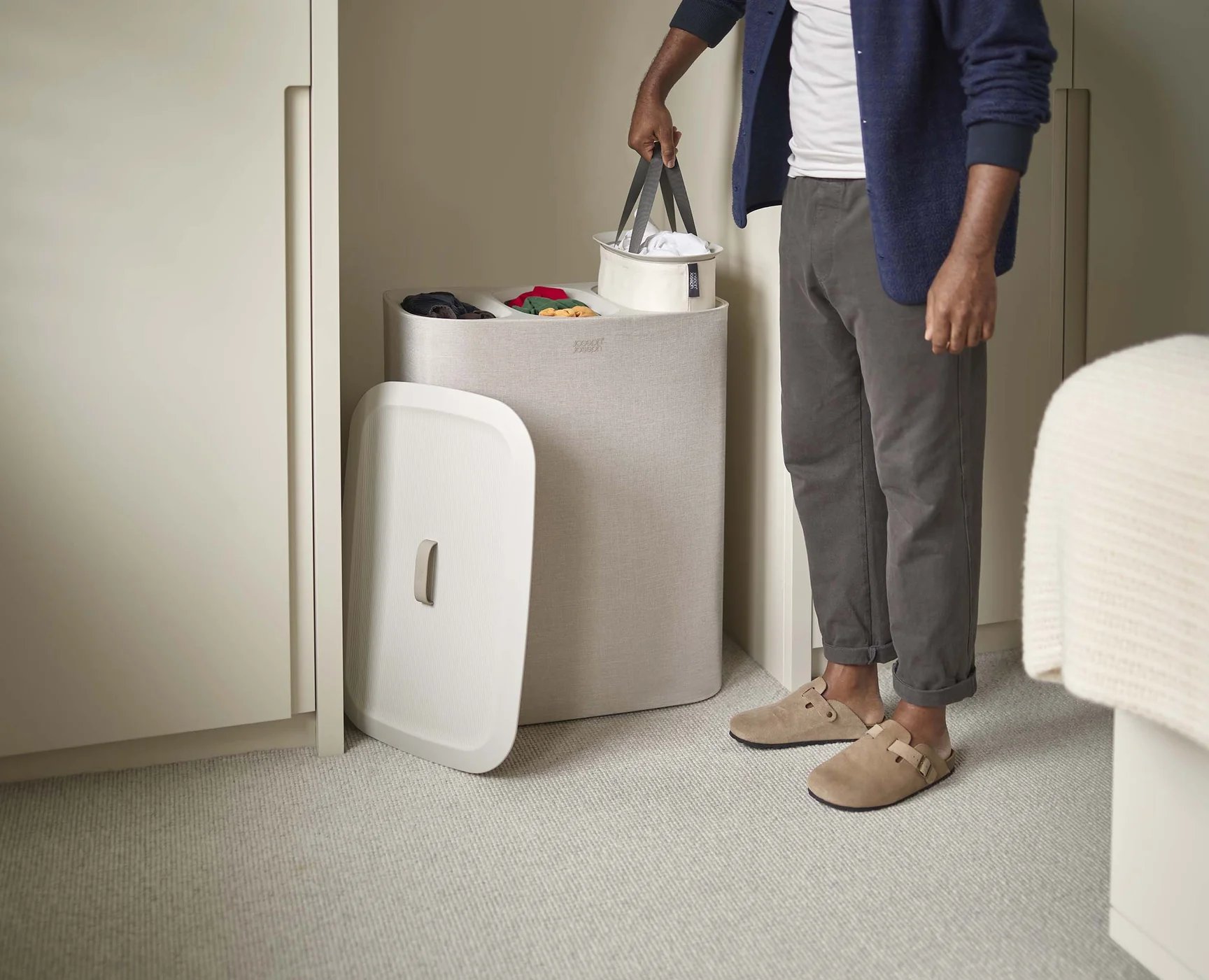
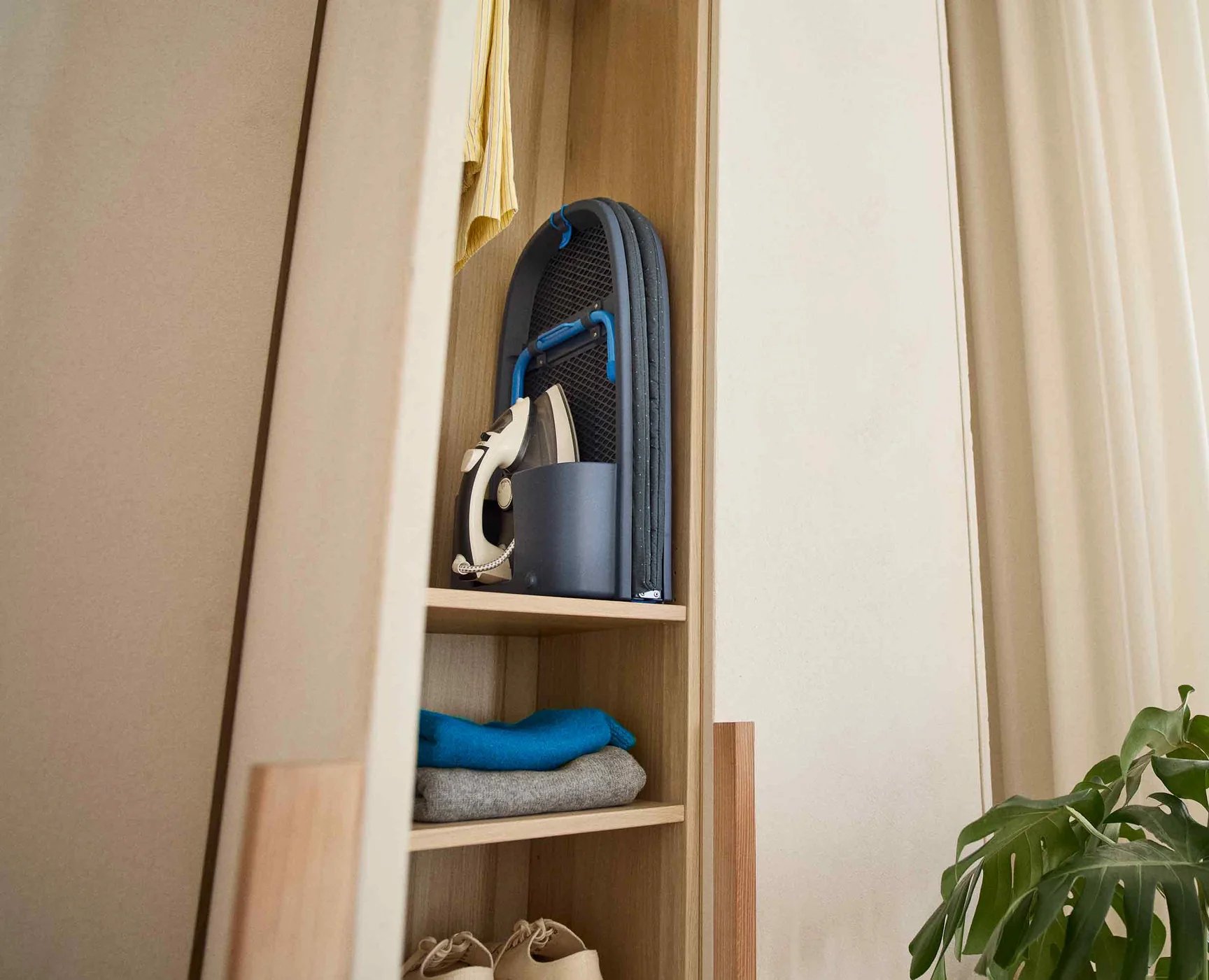
UK design-led plastic kitchenware. Nest Lock food storage in sage green, sky blue, and multicolor. Lockable, airtight, leakproof. 4 to 16-piece sets that nest for storage. Color-coded lid system is recognizable as the brand signature. The Editions range introduces seasonal palettes.
Brand website: josephjoseph.com
Plastic-first verified
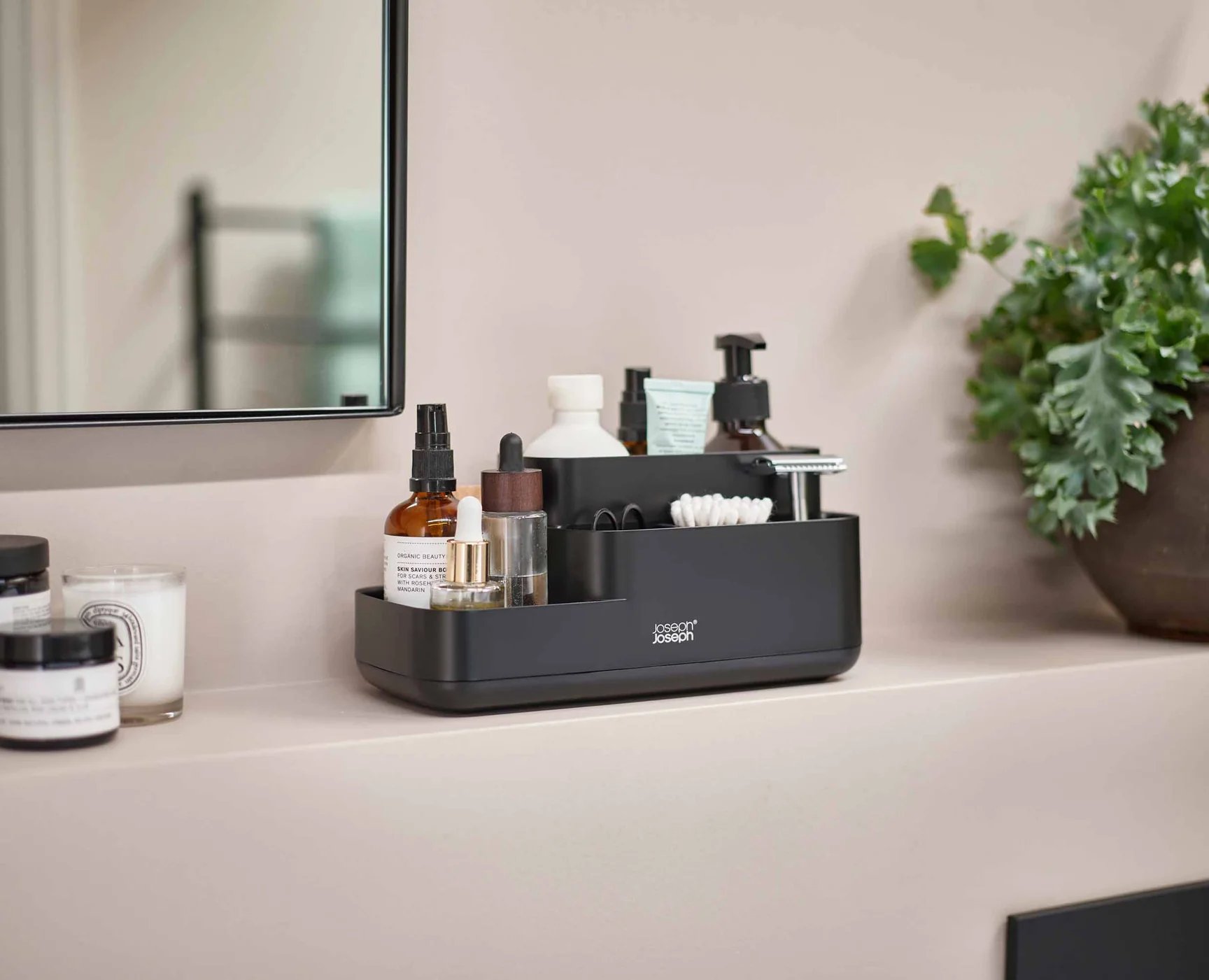
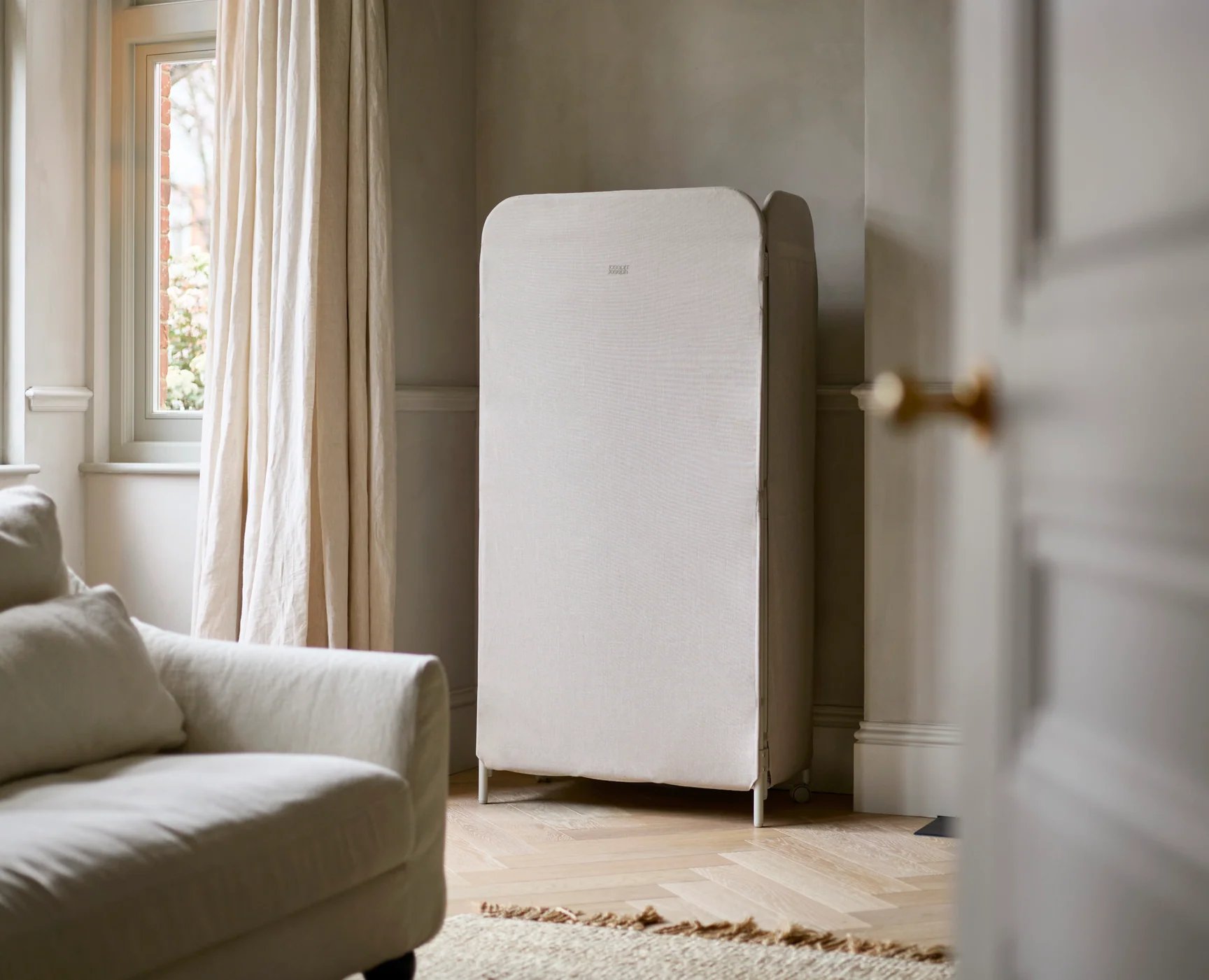
BPA-free plastic bath, vanity, and closet organization. Med+ divided organizer trays, Linus drawer organizers, Spa stackable baskets, Clarity cosmetic drawers. Clear, frosted, and white finishes are the hero looks. Often photographed in vanity and medicine cabinet contexts.
Brand website: idesignhome.com
Plastic-first verified
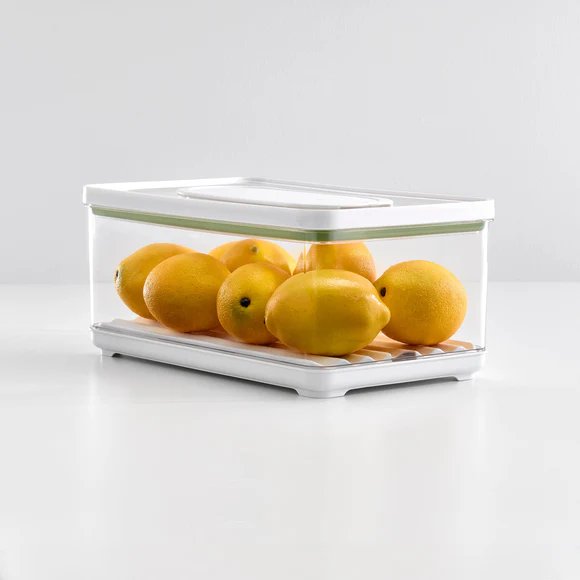
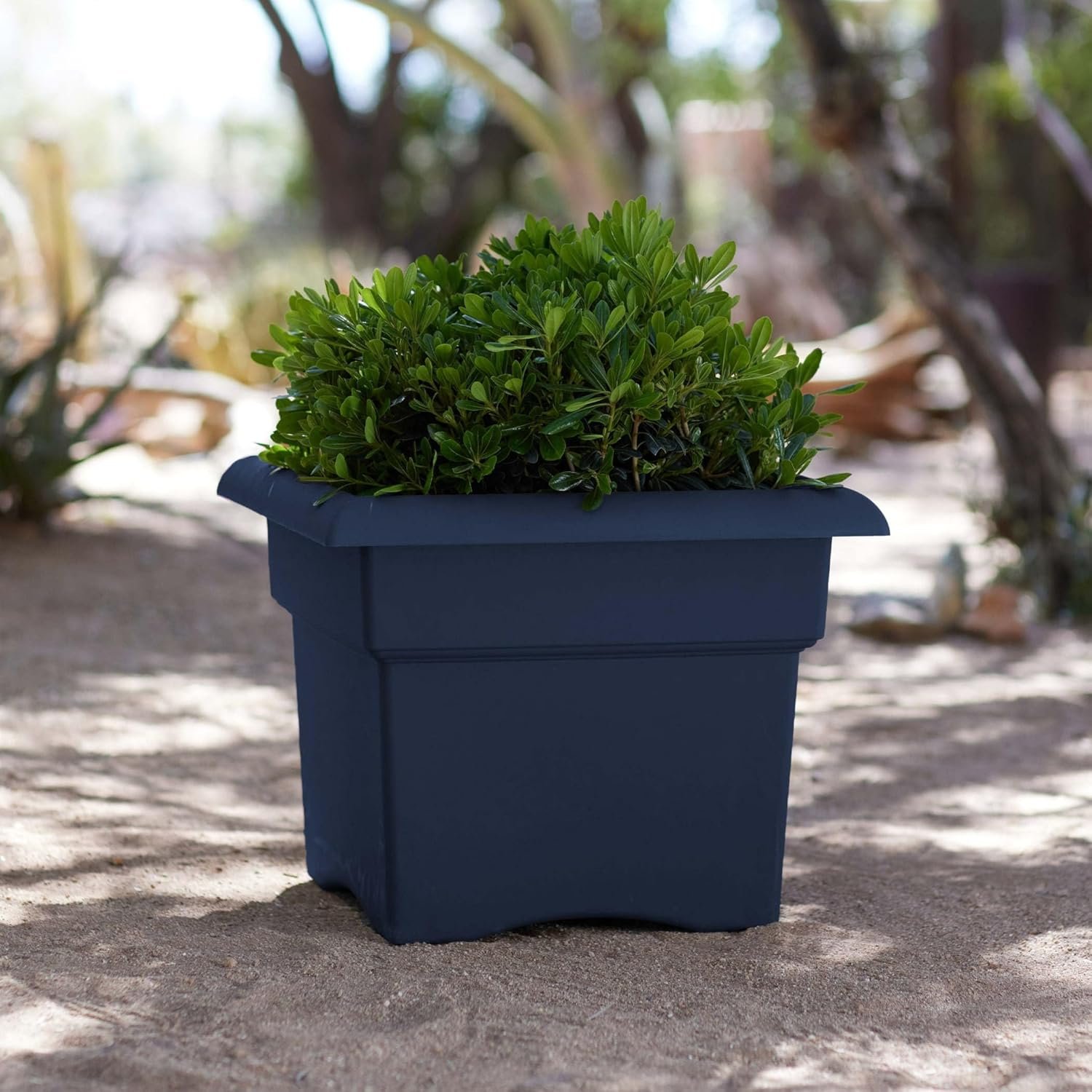
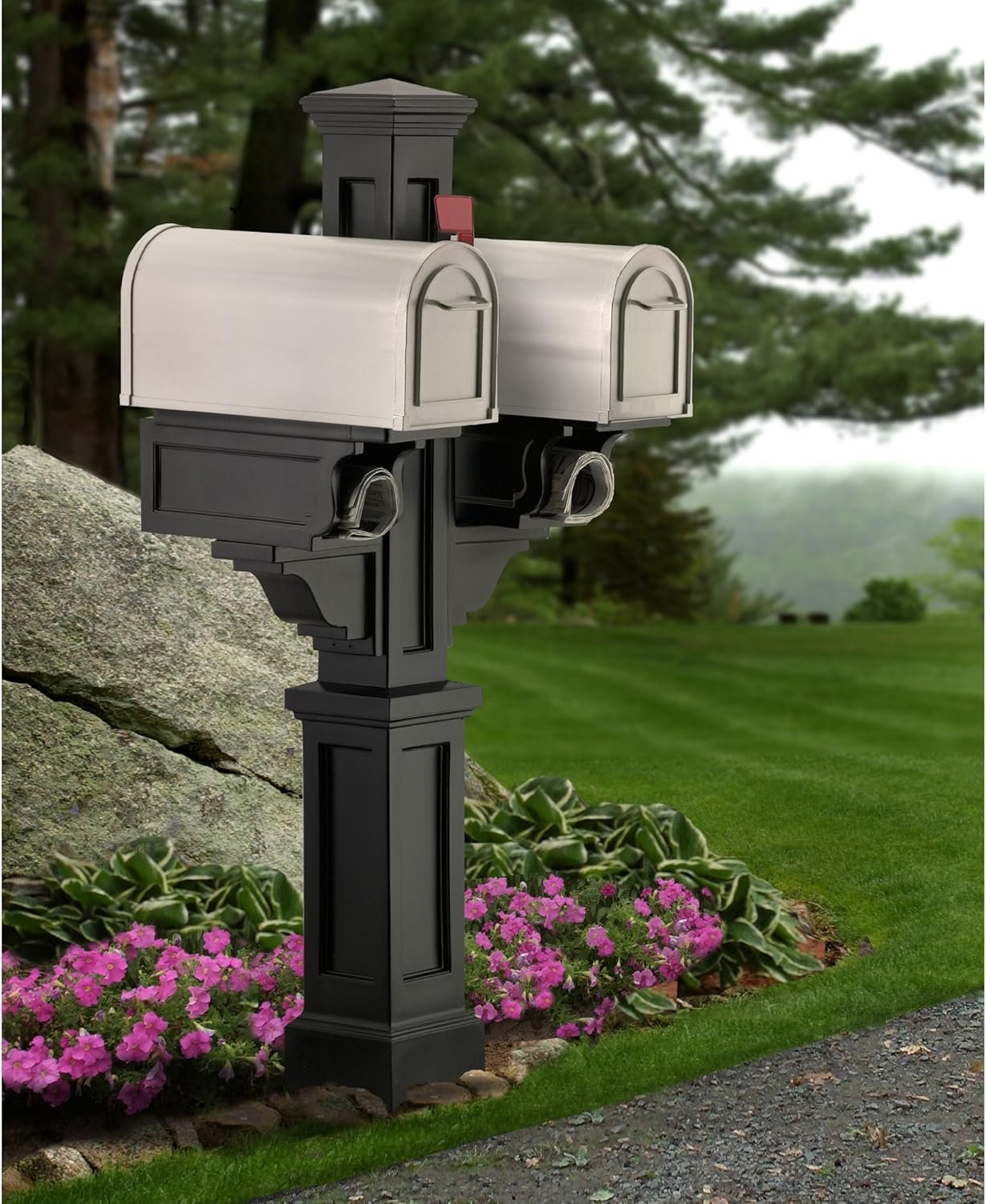
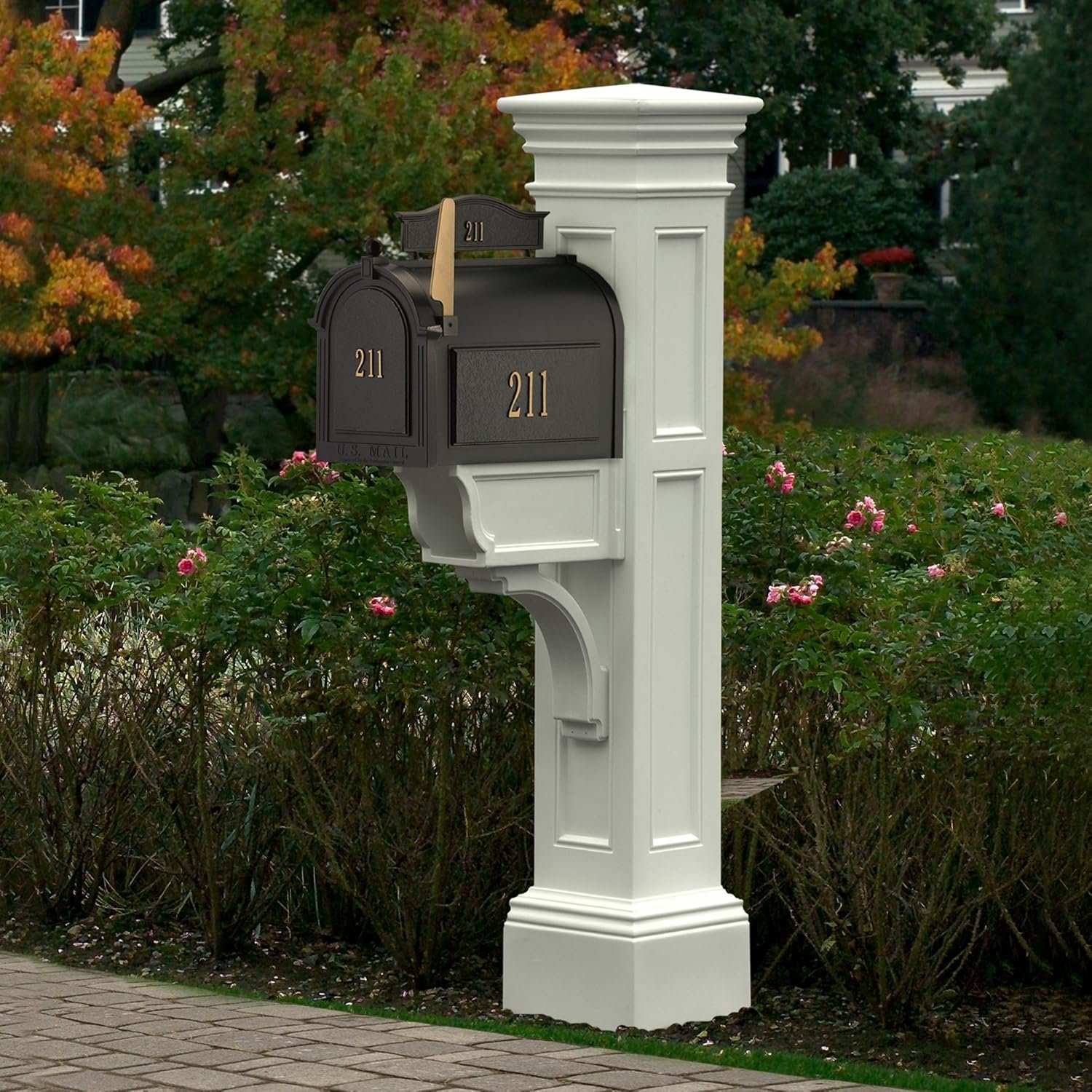
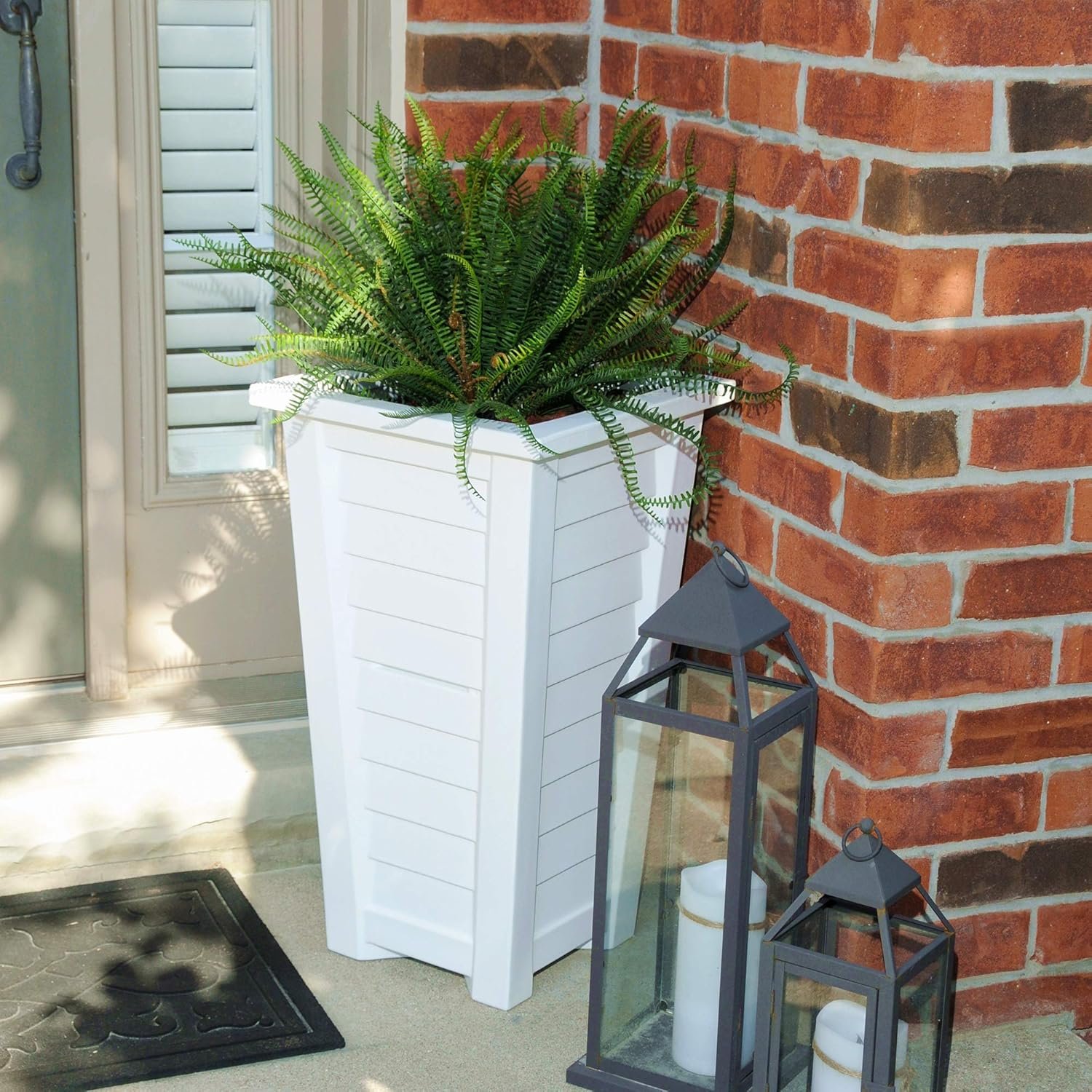
Outdoor plastic planters and window boxes, 100% high-grade polyethylene resin, made in USA, 15-year limited warranty. Cape Cod (self-watering squares), Fairfield (self-watering squares and window boxes), Haven (lightweight concrete-look). Built-in UV inhibitors. Premium pricing for premium spec.
Verify on Amazon: Mayne Brand Store
Plastic-first verified
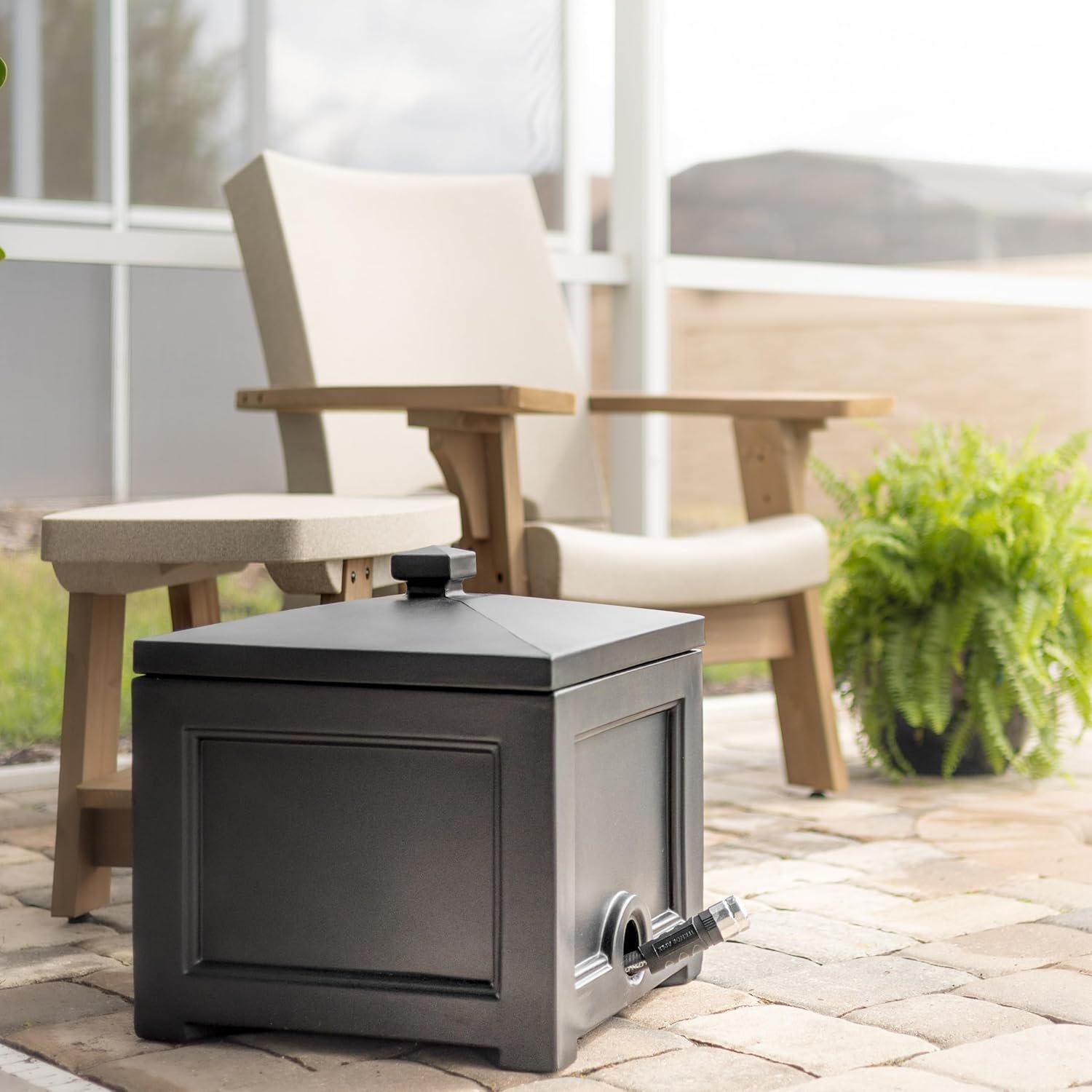
"No plastic smell" is the wedge. It gets the brand into the conversation. The pull, the reason customers pay $35 to $90 instead of $15, comes from four pillars working together.
Food-grade resin where applicable. BPA and phthalate-free across the line. Recycled-content claim where the spec allows. No off-gassing promise backed by manufacturing protocol. This is the technical floor.
A specific theme that runs across every SKU. Color palette, finish (matte vs satin vs textured), proportions, and form vocabulary all coordinate. The customer can look at three different products and instantly recognize they are the same brand.
Products work together. Drawer organizers stack. Planters come in coordinated sizes. Storage bins fit a known shelf. Customers buy one, then come back for three more. This is how mDesign and OXO POP win.
Studio shots establish the SKU. Lifestyle shots place it in real homes, real garages, real classrooms. IG-ready, Pinterest-friendly. This is what separates a $20 listing from a $60 listing visually.
"The first premium plastic line that does not smell like plastic, designed to coordinate across your home, built to last more than one season."
This is a working draft. The exact wording is finalized in the discovery call. The structure is fixed: solve the smell complaint, add the design promise, add the durability promise.
The 10 reference products in this document split into two distinct buyer profiles. Mixing them under one indistinguishable brand causes positioning confusion. The recommended structure is one umbrella brand with two product lines that share material spec and quality promise but differ in visual treatment and channel strategy.
Shared material spec · Shared quality promise · Shared brand voice
Buyer: parent, homeowner, organizer enthusiast.
Channel: Amazon, Target, Pinterest, IG.
Buyer: facilities manager, restaurant owner, garage hobbyist, home gym builder.
Channel: Amazon, Amazon Business, restaurant supply.
If the commitment to two lines feels too broad for the first launch, the cleaner alternative is to pick one lane (Home Premium recommended) and prove the brand with 7 to 8 SKUs there before expanding. Either decision is workable. What does not work is launching all 10 products under a single undifferentiated brand identity. This decision should be made in the discovery call.
These are not the proposed product line. The brand is not committing to use anyone's existing catalog. Each card shows a successful Amazon listing in a category, paired with a basic plastic version that already exists in the market for reference, and a note on what a premium brand should produce to capture the gap.
Left side of each card is the Amazon listing winning in that category right now. Right side is a basic plastic version of the same category type, shown so the reader can see what "ordinary" looks like at the bottom of the market. Below each card is a brief note on what a premium brand should produce to win this category. The premium product itself does not exist yet. That is the point.
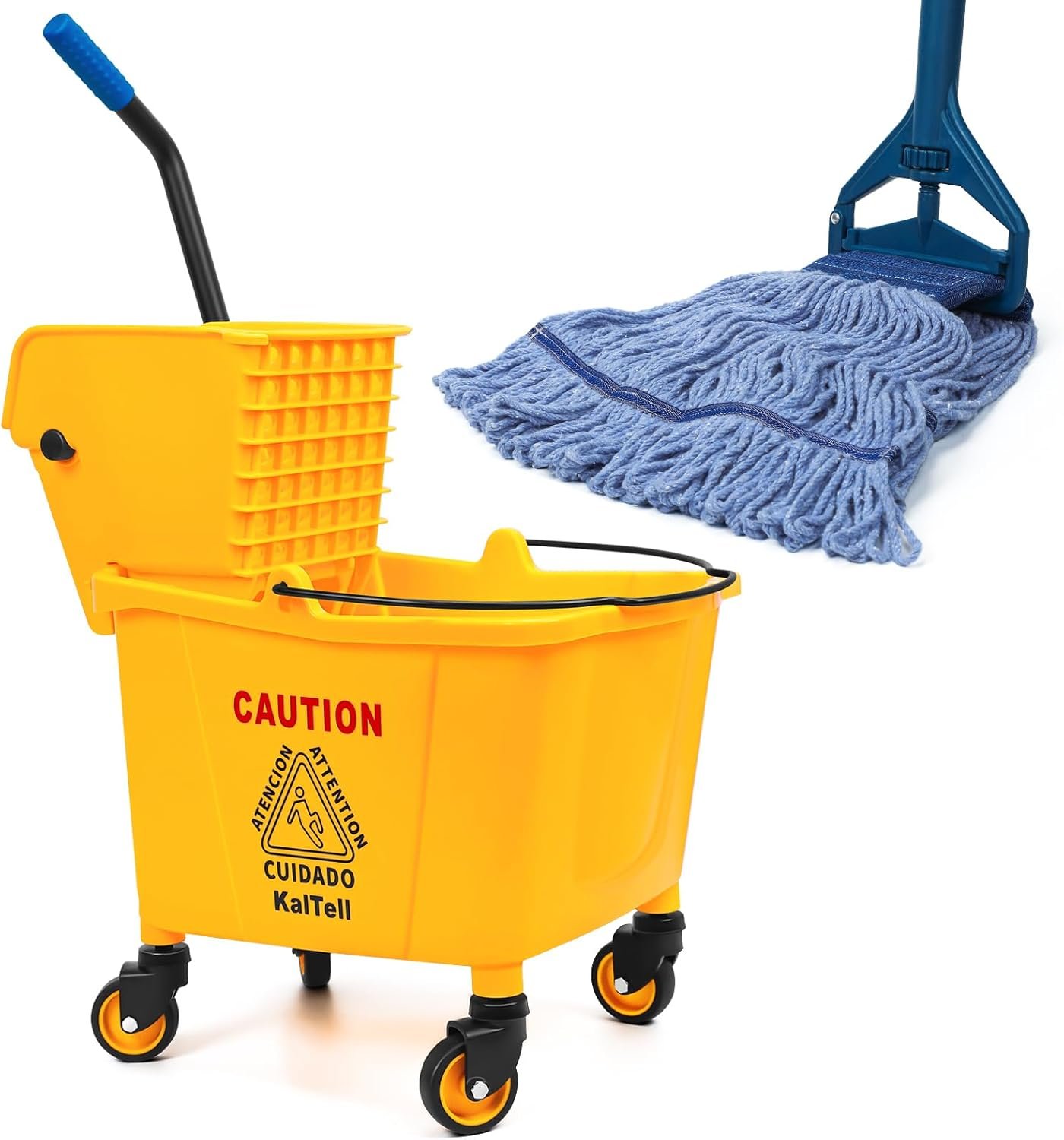
Why it sells: 35 quart capacity, side-press wringer rated for 50,000 cycles, rubber wheels, included industrial mop. Buyer is a facilities manager or restaurant owner who needs durability over aesthetics.
Listing strengths: Clear capacity callouts, durability claims with cycle counts, bundled mop included.
View on Amazon
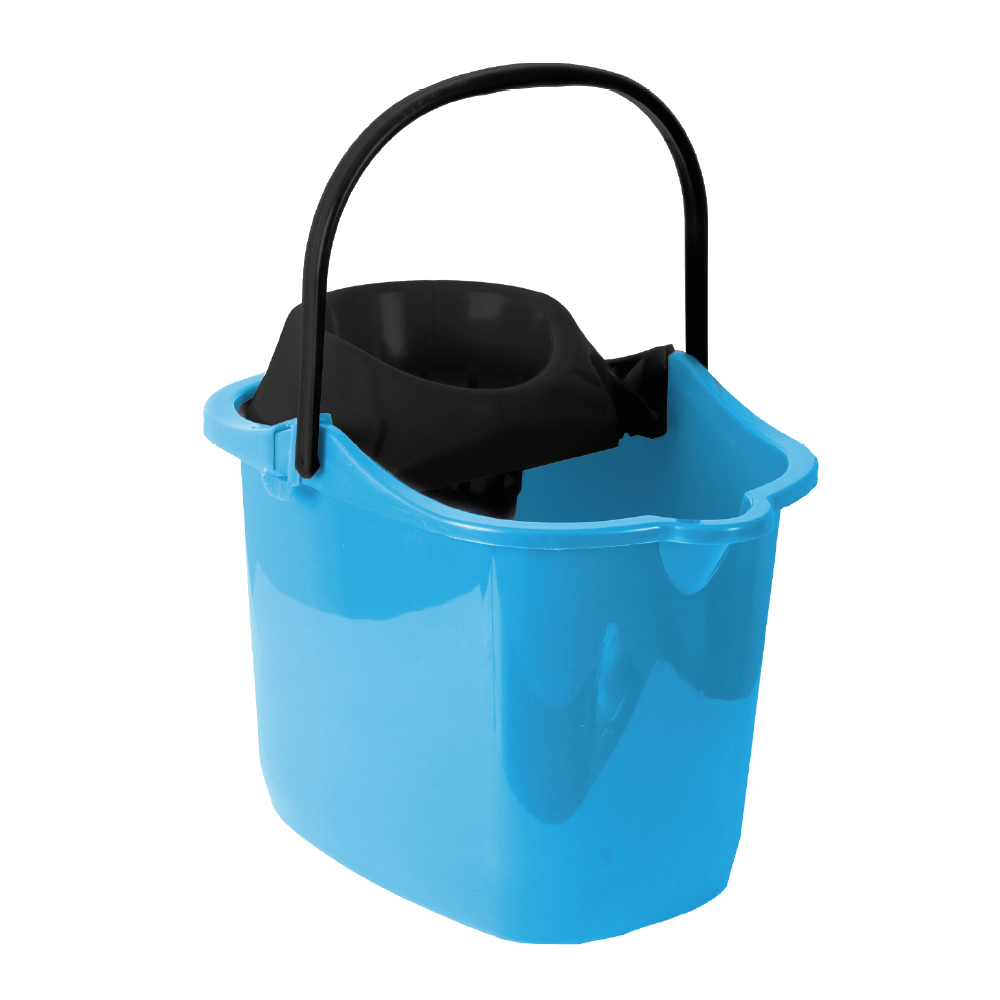
A typical basic plastic mop bucket. 15 liter capacity, plain finish, generic shape, no premium design language. Sold as a standalone bucket, no bundled mop or accessories.
What is missing for premium:
One of the strongest differentiation opportunities in the deck. Customers complain that current commercial mop buckets look industrial and ugly. A premium design-forward mop system in matte black or warm gray, with a softer-edged form, food-service safe materials, a quieter wheel system, and a bundled premium mop head could own the niche between the cheap industrial buckets and the high-end Vileda Pro line. Requires new tooling investment, but the category gap is clear.
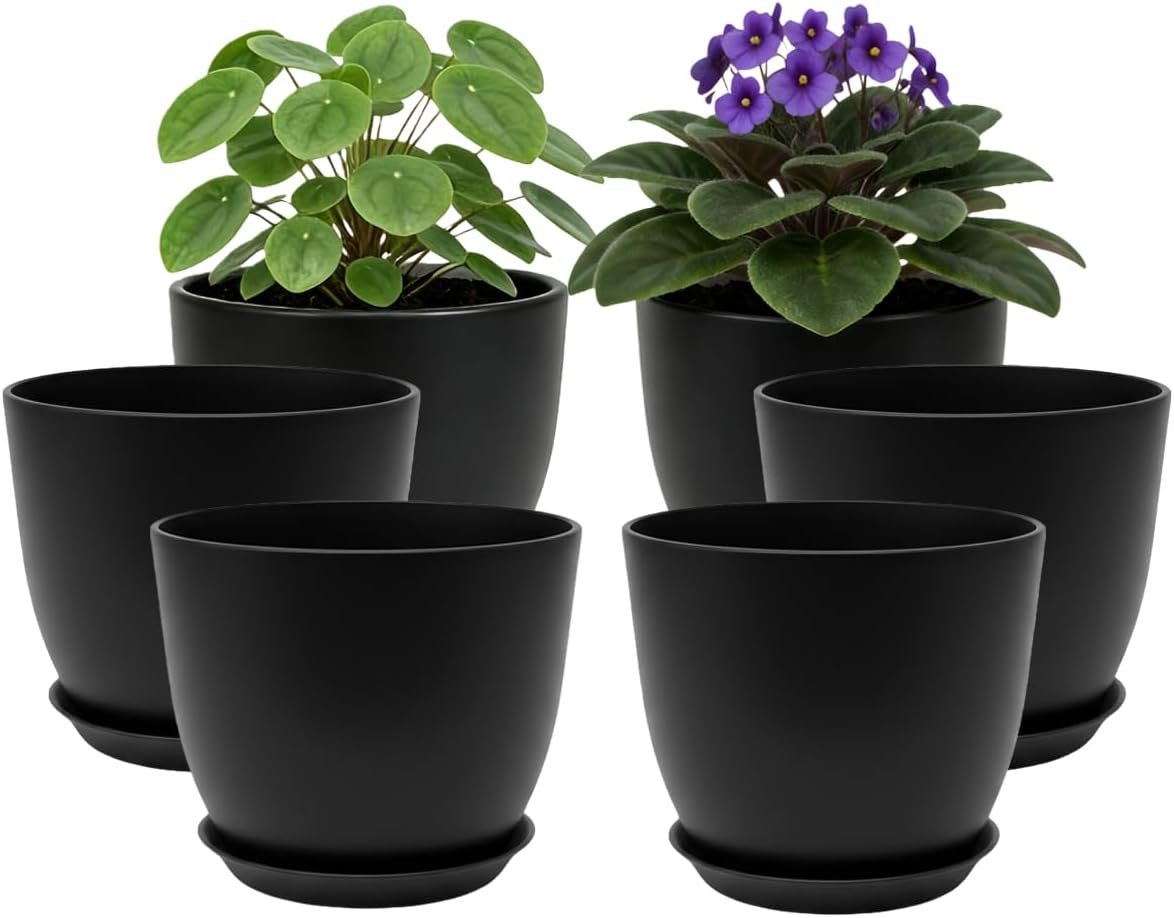
Why it sells: 6-pack of matching planters at one price, drainage holes, removable saucers, matte black finish. Hits the "buy a system, not one item" instinct. Strong indoor plant aesthetic.
Listing strengths: Set pricing, coordinated finish, indoor and outdoor use, drainage solved.
View on Amazon
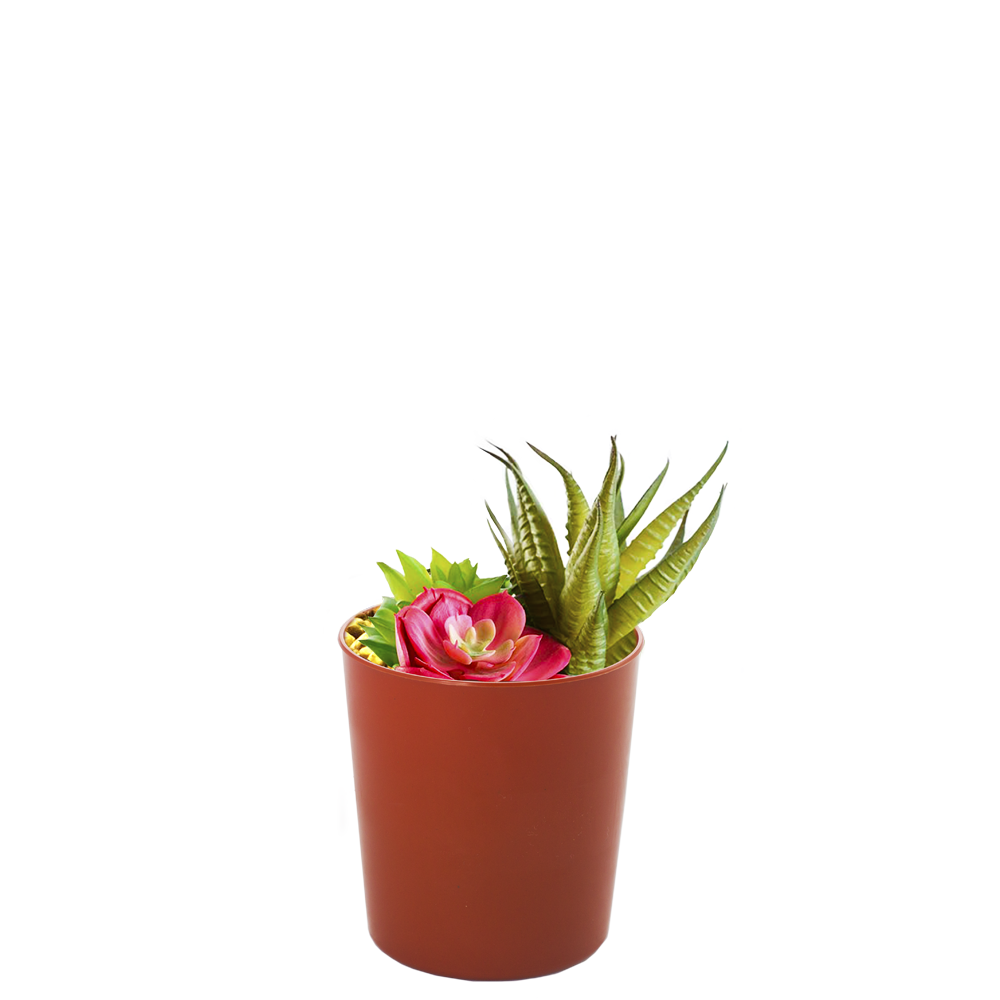
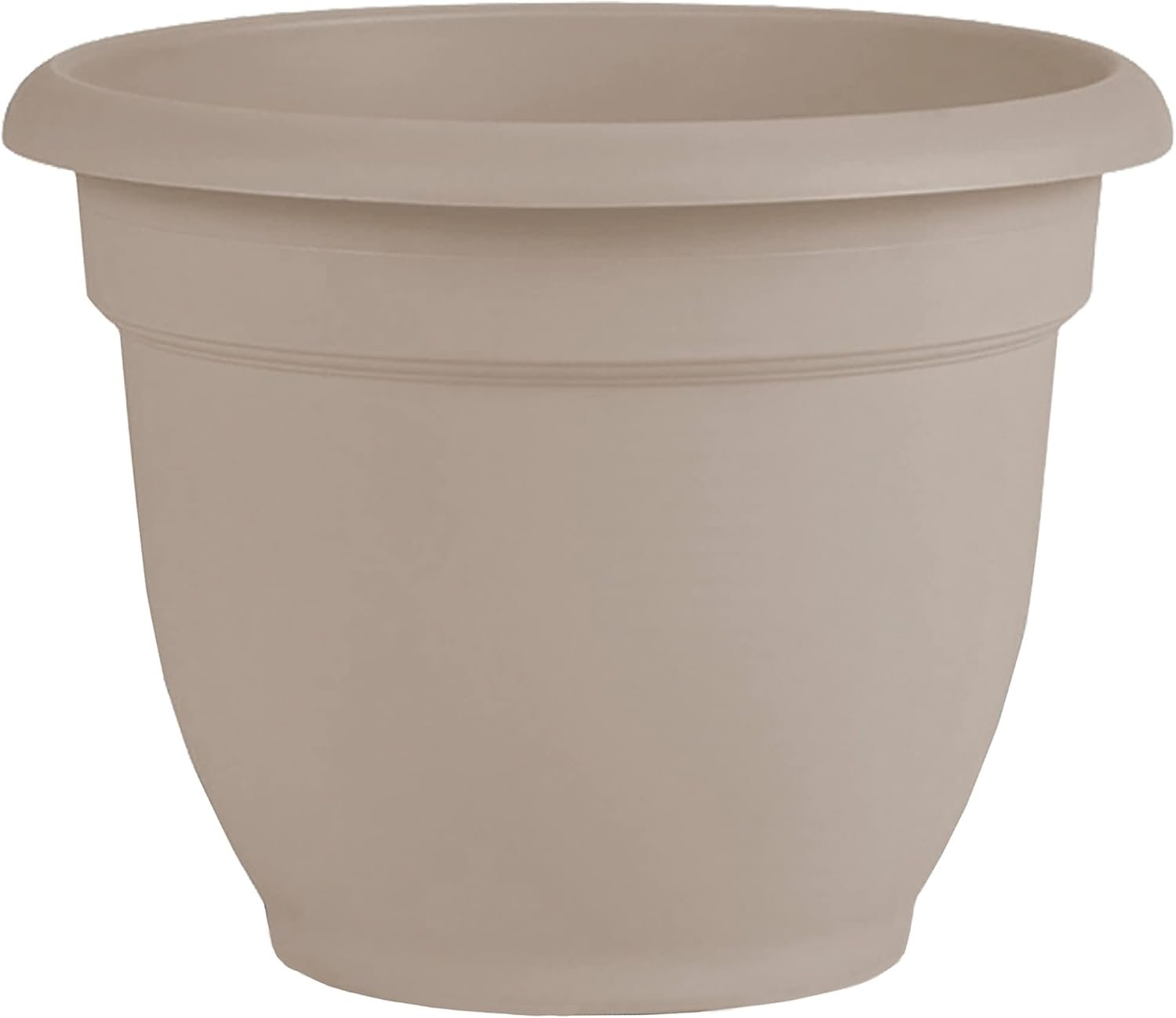
A typical basic plastic plant pot. Single piece, generic shape, plain colored finish, sold individually rather than as a coordinated set.
What is missing for premium:
The most obvious win in the deck. A premium brand should produce a coordinated planter system in restrained colors (matte cream, warm charcoal, sage, terracotta), sold as sets of 3, 4, or 6 in mixed sizes, with removable saucers and elevated-feet detail. Photographed on plant-filled tables in real homes. Price the sets at $39 to $69. Strong recurring purchase pattern as customers expand their plant collection.
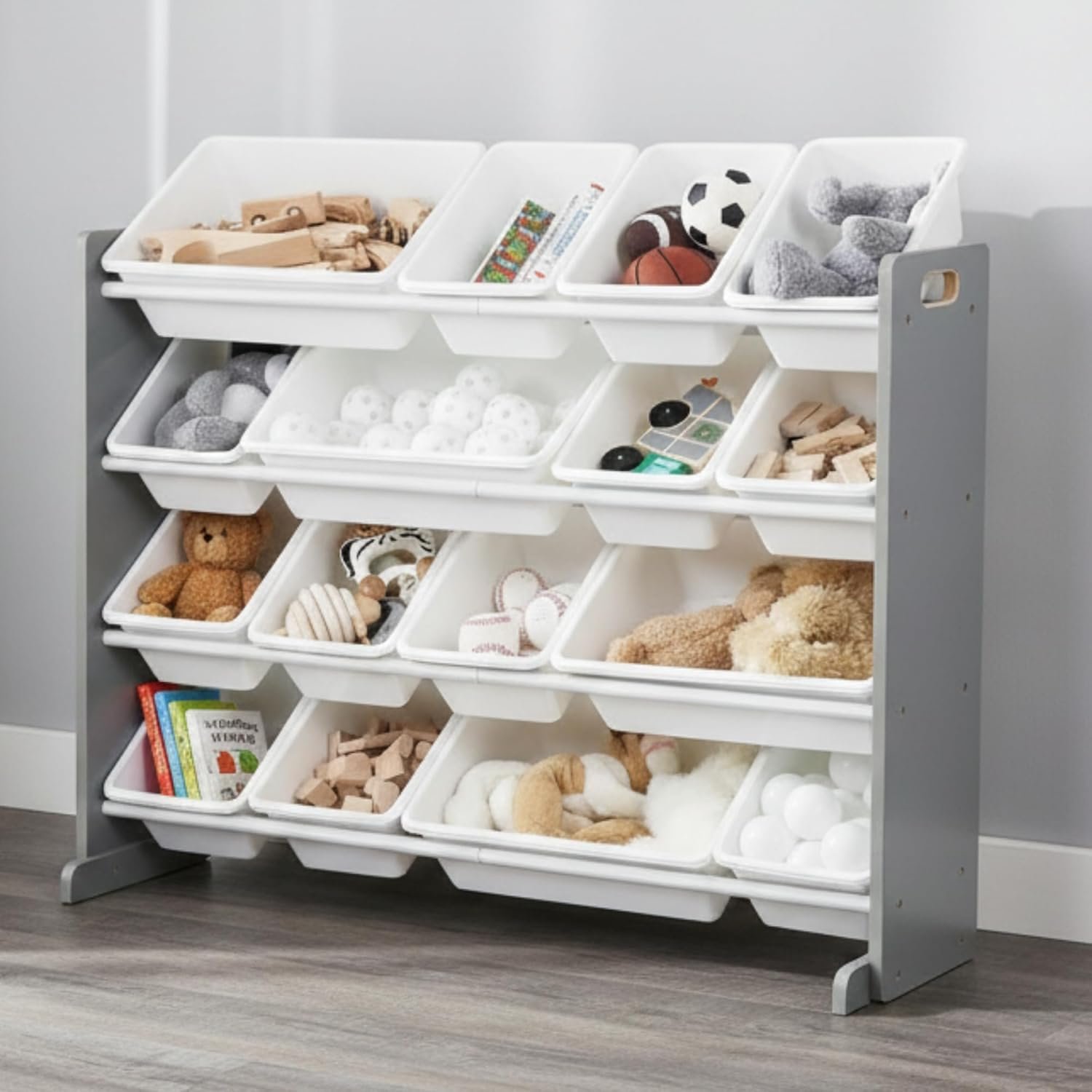
Why it sells: 16 removable bins (12 standard, 4 large), engineered wood frame, wall anchor kit, 42 inches wide. The "everything in one bin" parent solution. Appears in nearly every kid-organization gift guide.
Listing strengths: Visual variety with multi-color bins, frame is wood for premium feel, system sized for real toy collections.
View on Amazon
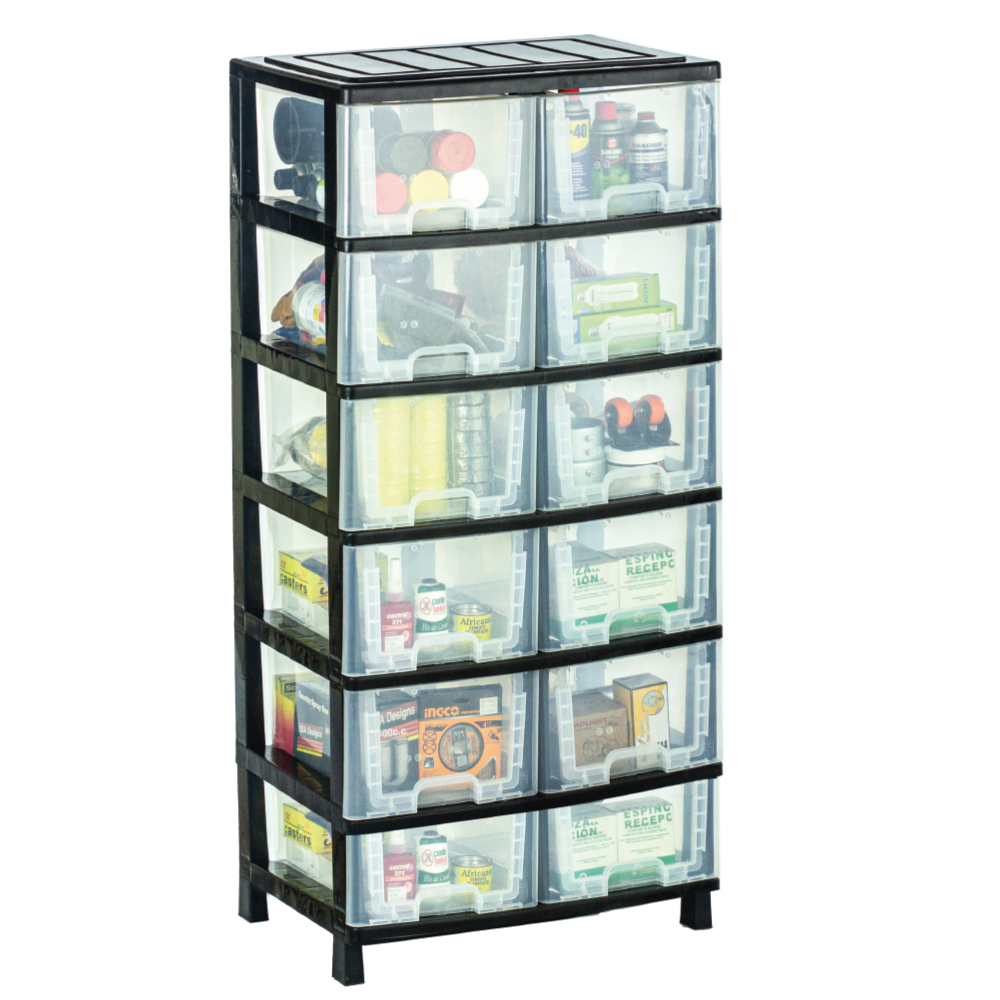
A typical basic plastic drawer-style organizer. 6-tier vertical stack, plain finish, generic styling. Designed for general home use, not specifically for kid toy storage.
What is missing for premium:
A coordinated wood-frame and plastic-bin organizer system, built specifically for nurseries and kid spaces. Premium positioning around CPSIA-compliant materials, no plastic smell, soft-touch finish, and coordinated bin colors in a restrained palette (cream, sage, dusty rose, charcoal). Frame sourced from a furniture supplier, bins produced fresh. Hero SKU candidate for any premium kid line.
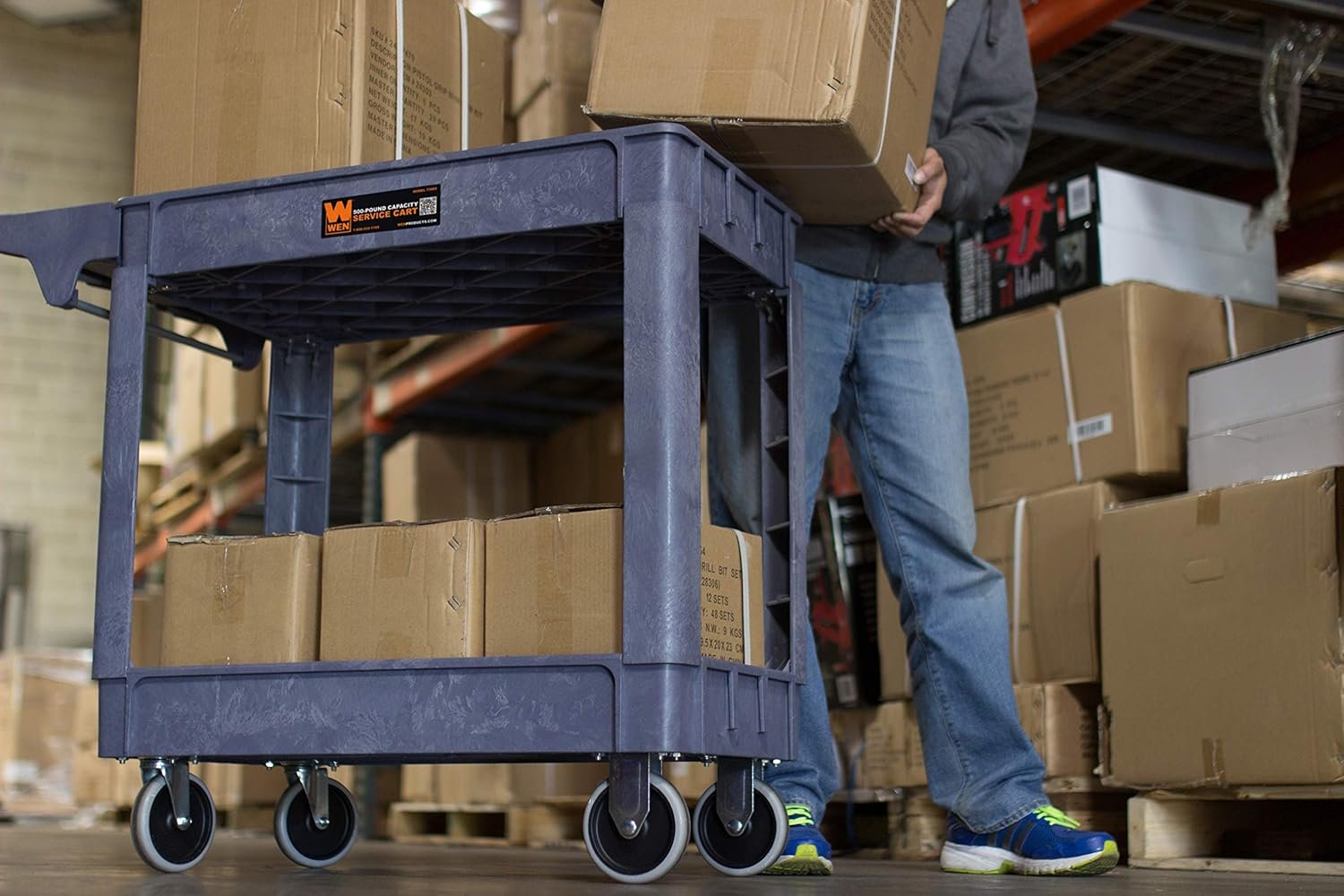
Why it sells: 500-pound capacity, 17-inch wheelbase, three tiers, locking casters. Mechanic, garage, and small-shop staple. Demand from home gym builders, woodshop hobbyists, automotive enthusiasts.
Listing strengths: Specific weight rating, professional-grade positioning, repeated buyer category.
View on AmazonService carts in this category are dominated by mixed-material builds. The opportunity is to enter with a hybrid where premium plastic trays sit on a coordinated metal frame.
What is missing for premium:
A stretch SKU that requires hybrid manufacturing. The premium angle is a cleaner aesthetic (warm white frame, soft-edge matte plastic trays) for the home-garage shopper who wants a tidy space, not an industrial one. Lower priority for Year 1 unless a metal-frame partner is already in place.
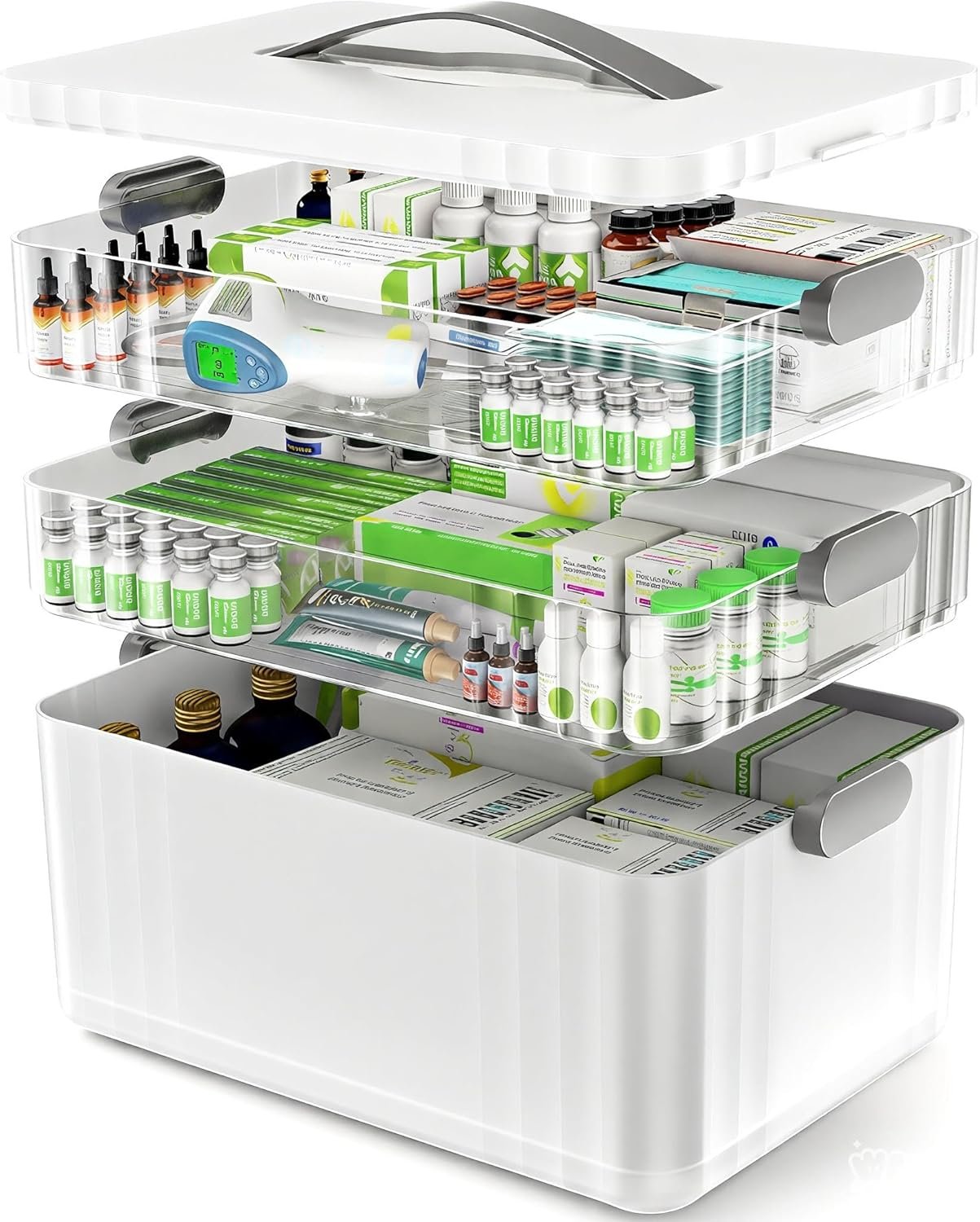
Why it sells: Three tiers of clear divided storage, fits bathroom, medicine cabinet, kitchen, craft room. Multi-use messaging covers many search terms. Stackable.
Listing strengths: Multipurpose framing increases searchable use cases, stack feature multiplies cart additions.
View on Amazon
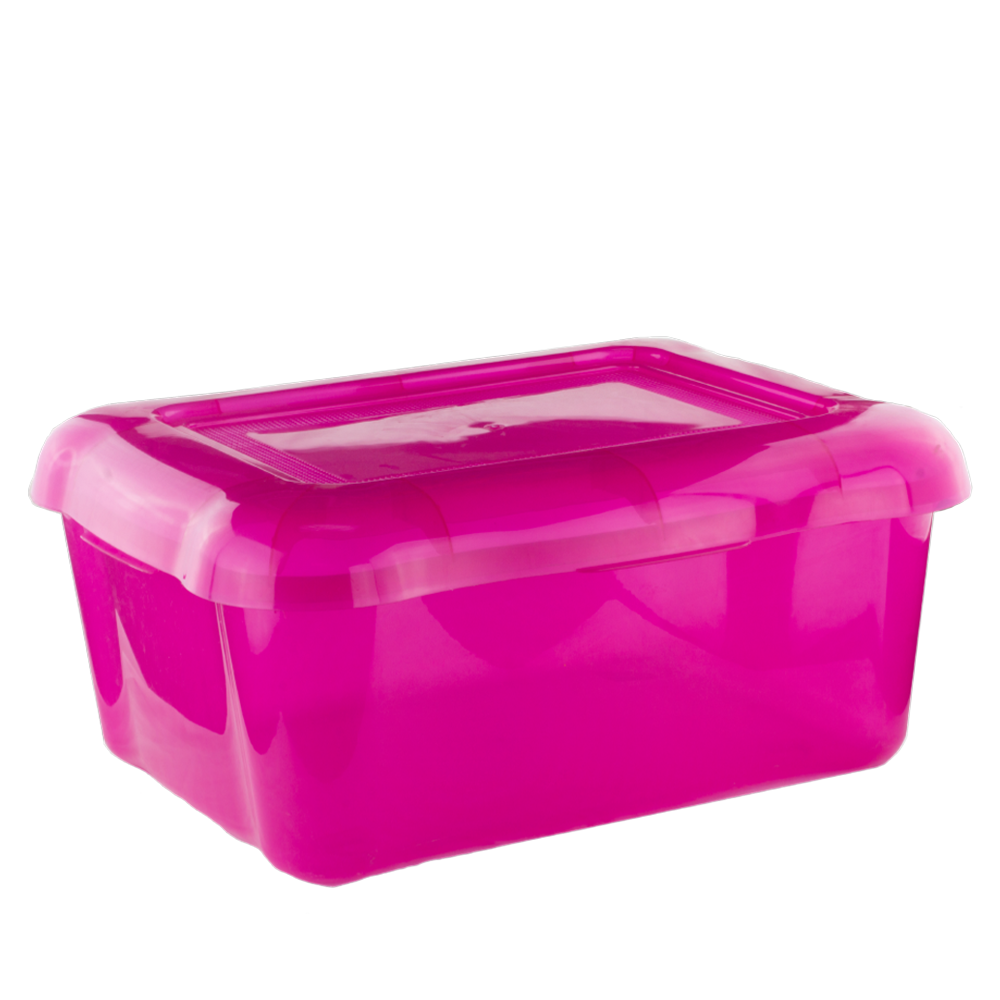
A typical basic plastic storage box. 47 liter capacity, plain colored finish, single compartment with lid. No tier system, no clear panels, no premium hardware.
What is missing for premium:
A 3-tier counter organizer in cream and warm gray with a soft-edge form. Clear panel options, premium handle, magnetic-close lids on the top tier. Slots well into the bath, vanity, medicine cabinet, and craft Pinterest aesthetic. Premium angle is "looks like a piece of furniture, not a plastic bin."
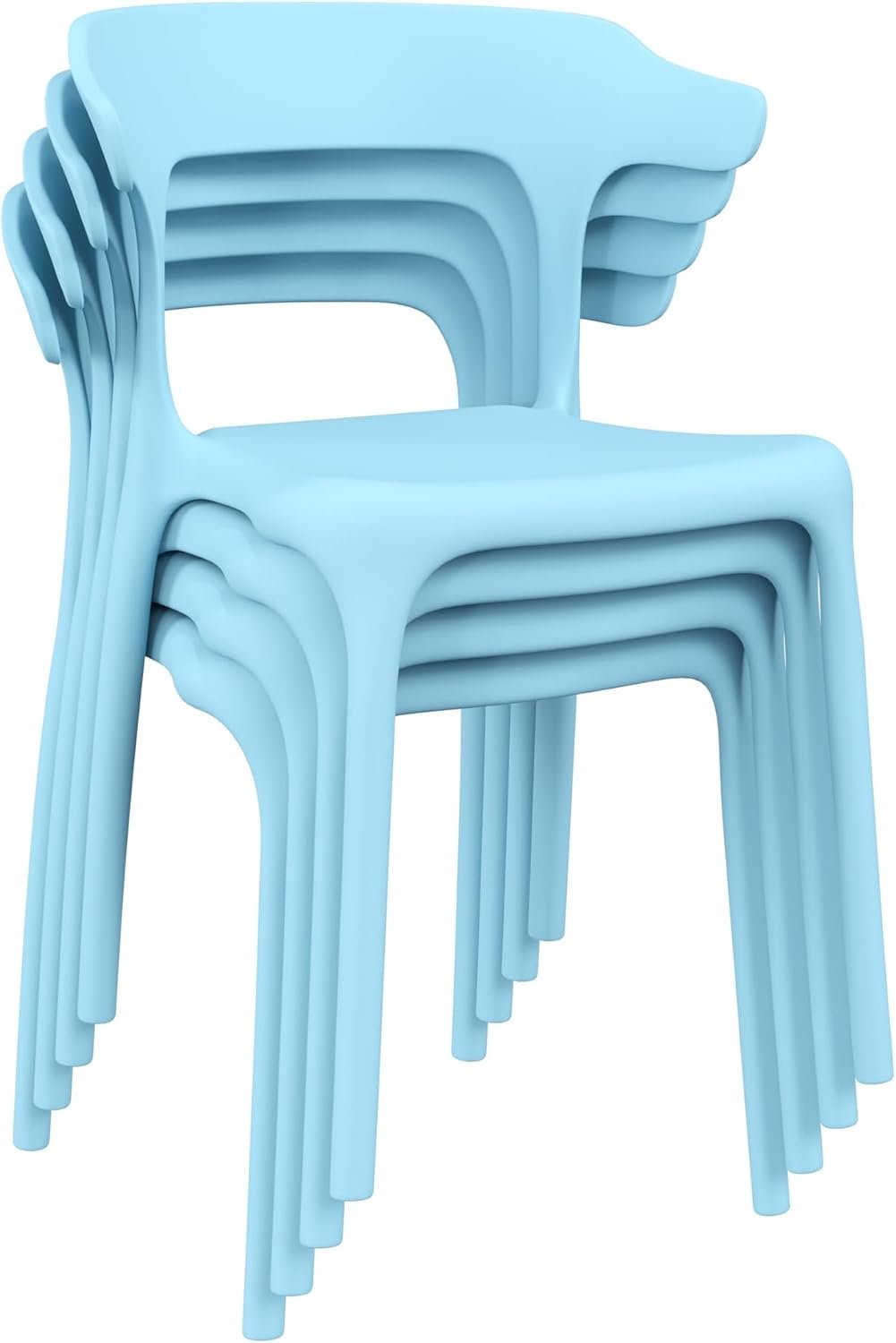
Why it sells: Sets of 4 to 6 stackable chairs for cafés, event venues, patios, and home dining. Lightweight plastic at a price point well below metal chairs. Buyer is restaurant owners, event planners, and home patio shoppers.
Listing strengths: Stackable for storage, set pricing, weight rating, multi-color options.
View on Amazon
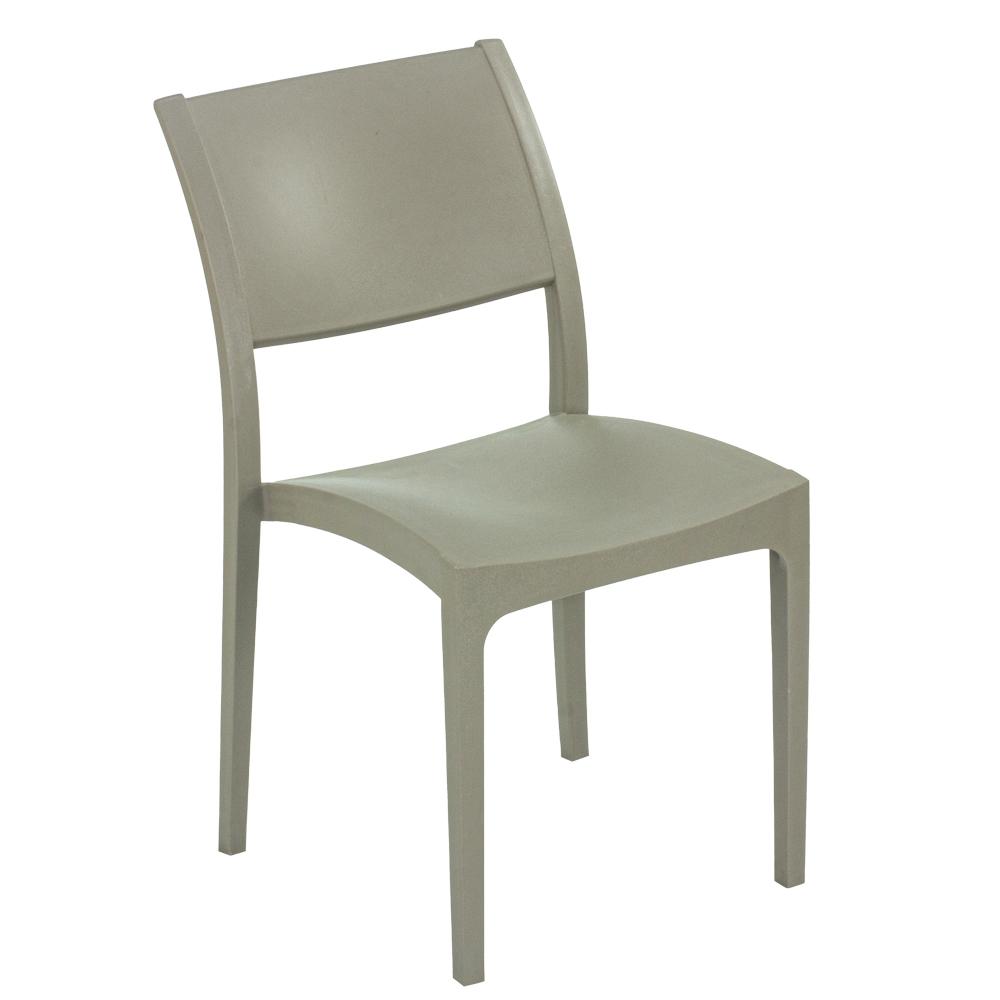
A typical basic plastic stackable chair. Solid one-piece molded design, generic cafe-style aesthetic, available in standard colors. Sold individually rather than as a set.
What is missing for premium:
A premium plastic stackable chair sold as 2-pack and 4-pack sets at $89 to $169. Restrained color palette (matte white, charcoal, sage, terracotta), photographed on real patios with plants and natural light. Target "small space cafe" and "design patio" search terms. FBM fulfilled at first to manage oversize FBA economics. Strong candidate for early Commercial Premium hero.
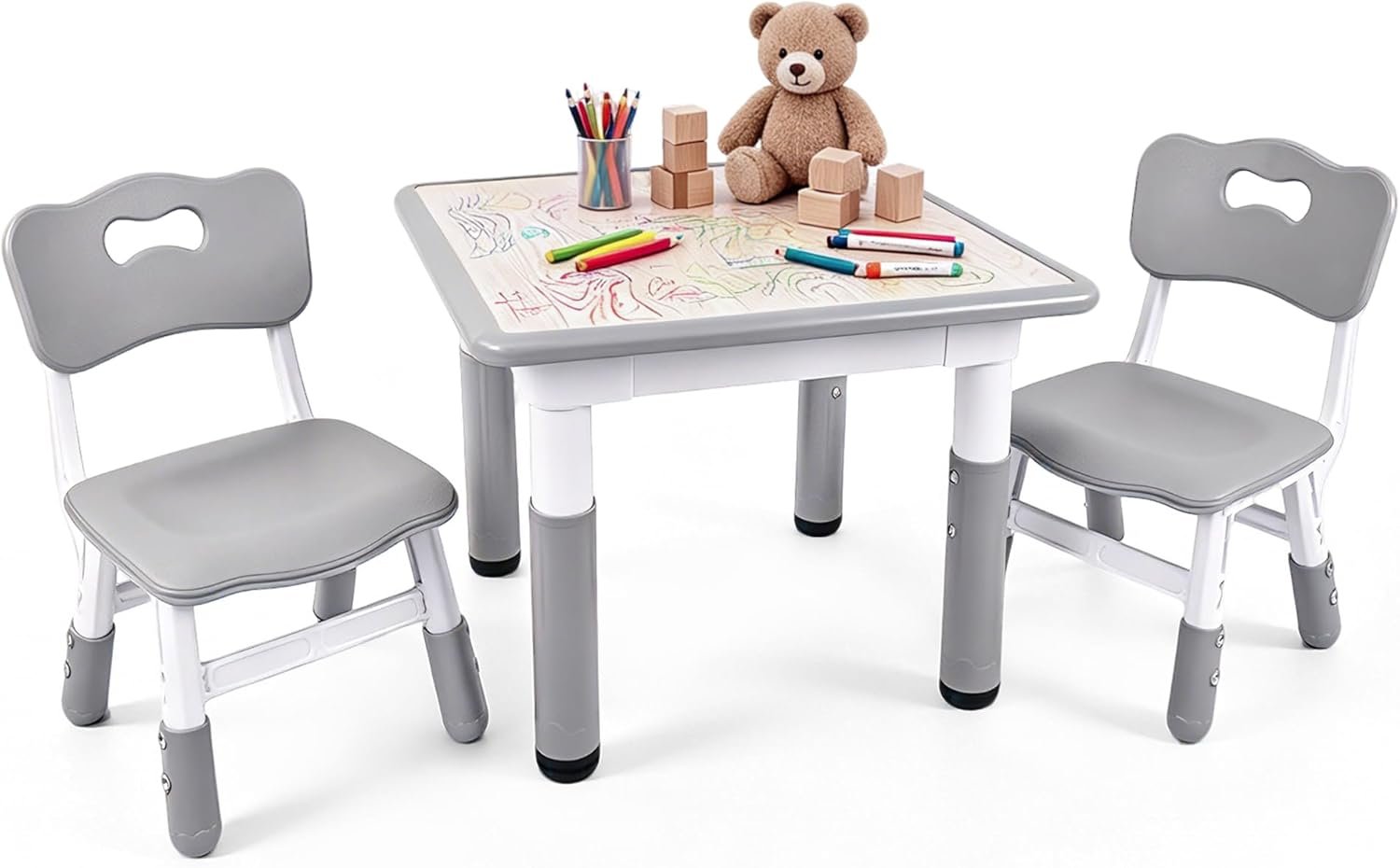
Why it sells: Toddler activity table with two chairs. Bundle pricing, soft pastel colors, easy assembly. Buyer is parents of 2 to 5 year olds, gift-giving aunts and uncles.
Listing strengths: Set bundle, gift positioning, lightweight plastic, easy clean.
View on Amazon
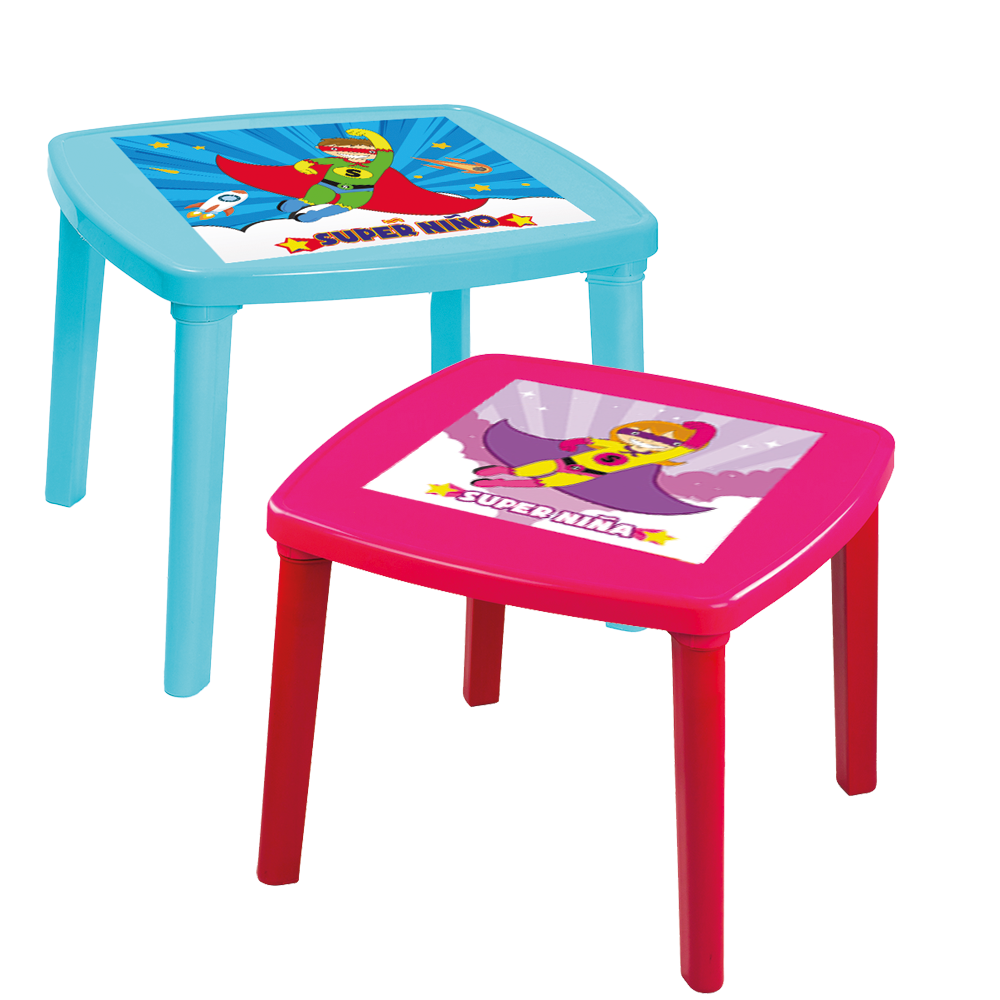
A typical basic plastic kid activity table. Single piece, plain bright finish, sold without matching chairs. Standard kid table without premium positioning.
What is missing for premium:
A premium kid table-and-2-chair set in soft cream, sage, or dusty rose. CPSIA-certified, photographed in a Pinterest-ready playroom with real toys. Price the set at $79 to $129. One of the fastest paths to a Year 1 launch since the underlying product type is already widely tooled in the industry.
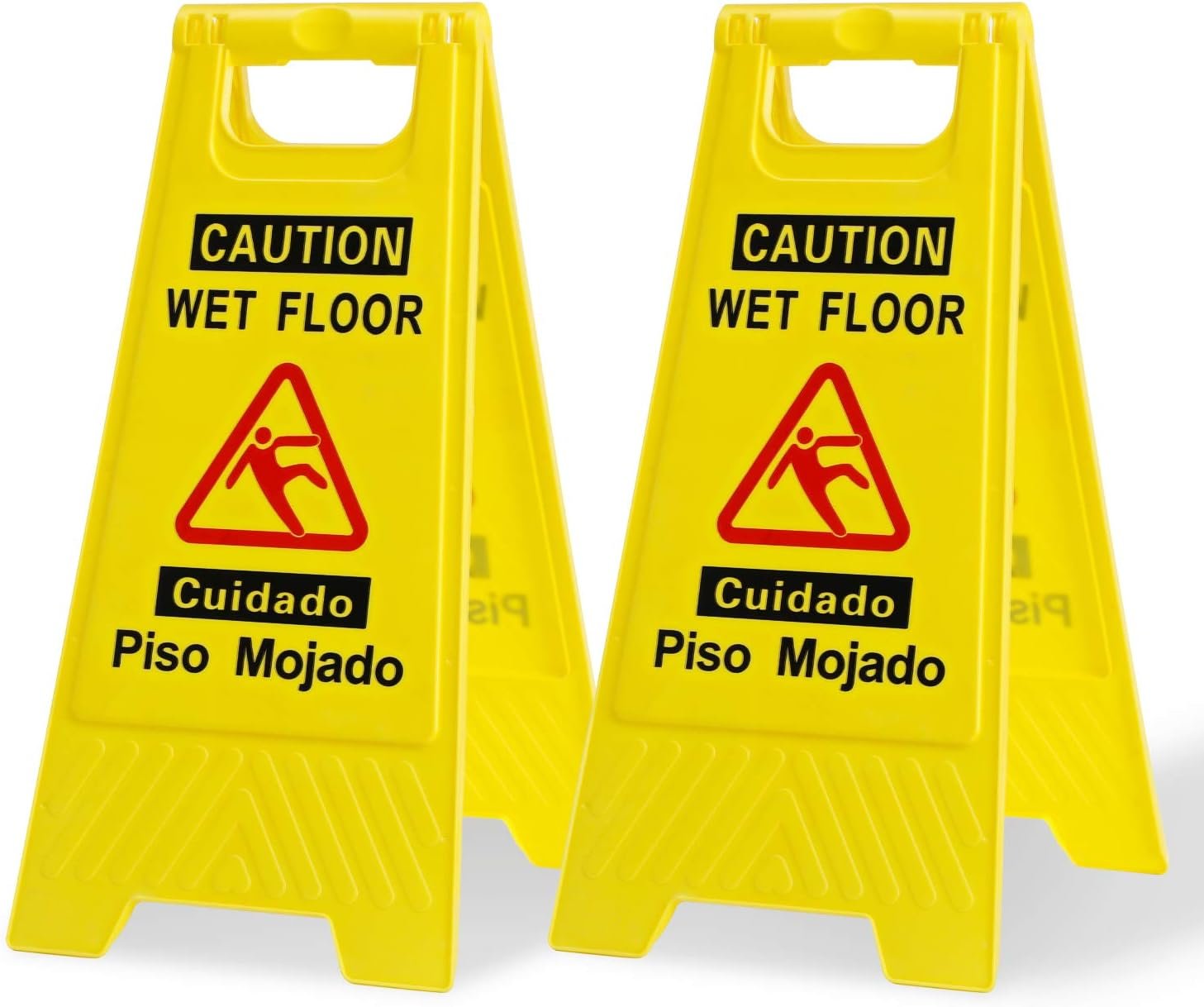
Why it sells: Commercial-grade safety sign, collapsible for storage, bilingual English-Spanish, OSHA-style yellow. Restaurant, retail, and facilities staple. Replacement-cycle purchase.
Listing strengths: Bilingual angle is legally relevant, collapsible saves space, recurring purchase pattern.
View on AmazonThe category is a near-monopoly of bright yellow signs in a single design language. No one is producing a design-led alternative for boutique hotels, premium restaurants, or design-conscious retail.
What is missing for premium:
A design-forward wet floor sign in matte black with white iconography rather than OSHA yellow, plus a brushed-metal-look option. Target boutique hotels, design-led restaurants, and retail brands that find traditional yellow signs visually jarring. Niche category, worth exploring in Year 2 or 3, not Year 1.
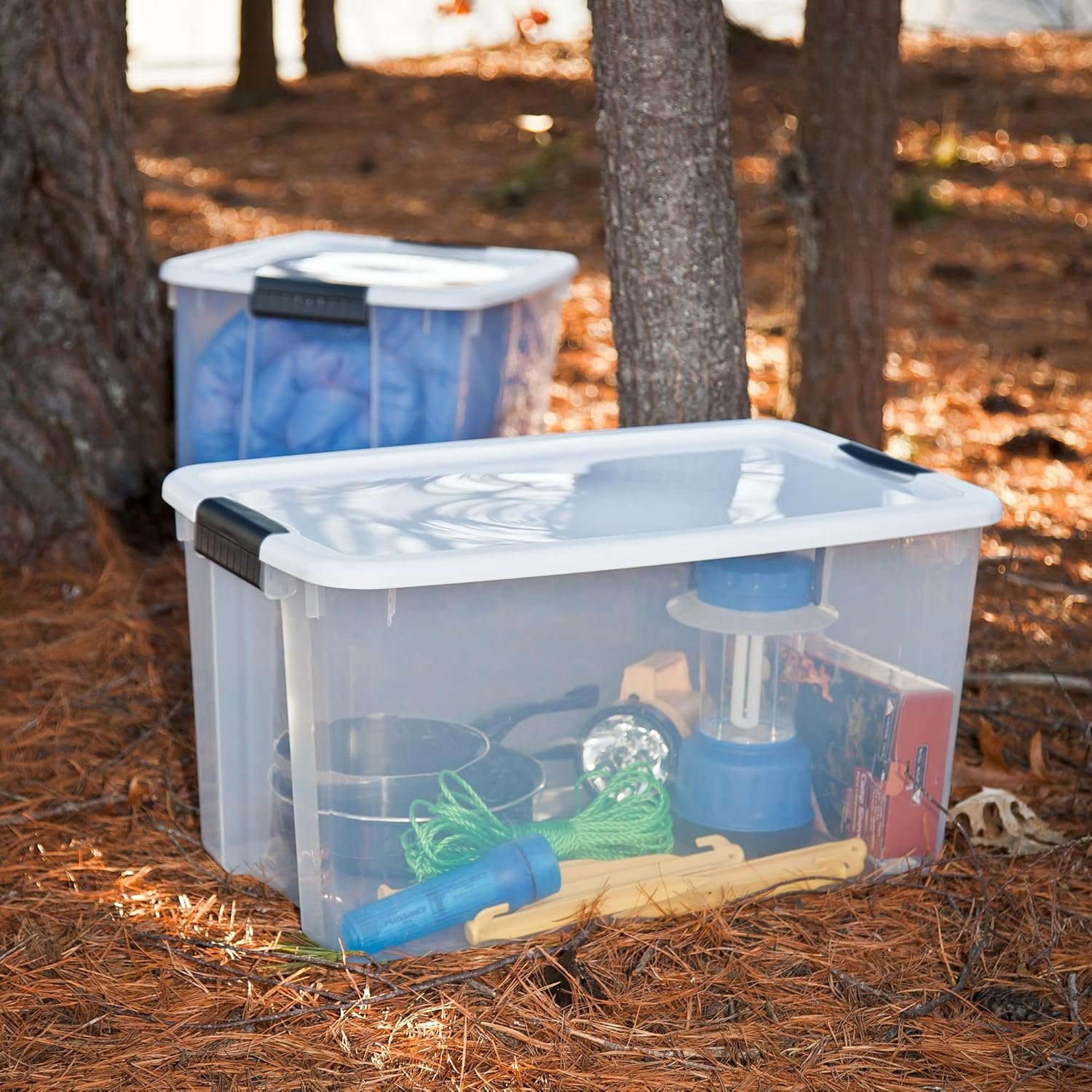
Why it sells: Four-pack of stackable, latching storage boxes. Closet, garage, basement, attic staple. Sterilite brand recognition drives the choice. Commodity at scale.
Listing strengths: Set pricing, Sterilite brand trust, "Made in USA" callout, BPA-free claim.
View on Amazon
A typical basic plastic latching storage box. Industrial gray finish, single-piece sale, branded for contractor and garage use. The category baseline at the bottom of the market.
What is missing for premium:
Direct competition with Sterilite at $5 to $30 will not work. The premium opportunity is a 4-pack of latching boxes in cream, warm gray, and sage with upgraded latch hardware and labeled lids, sold at $79 to $129. Market for closet and seasonal storage, not garage. mDesign owns this space at exactly that price point. The brand work is the entire effort.
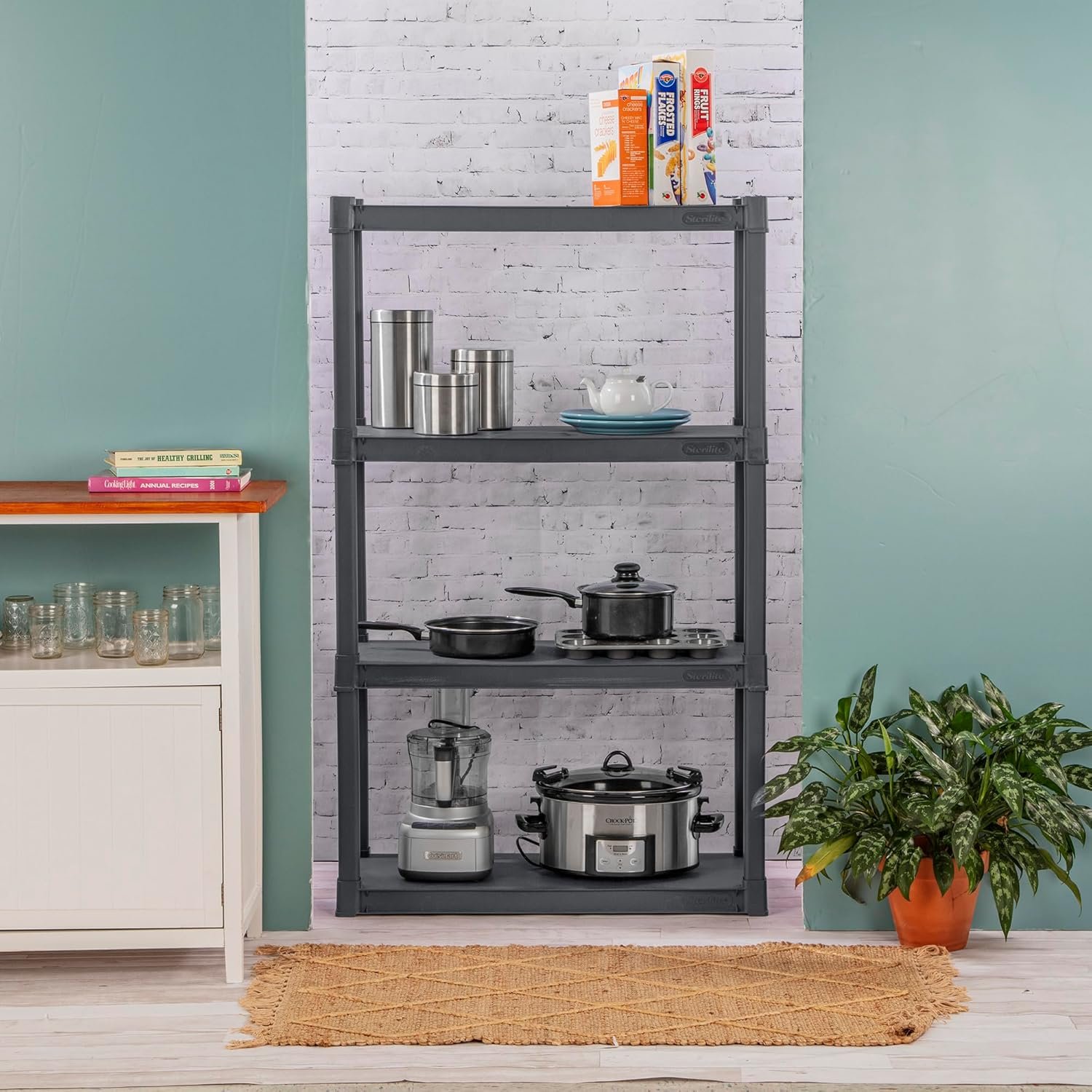
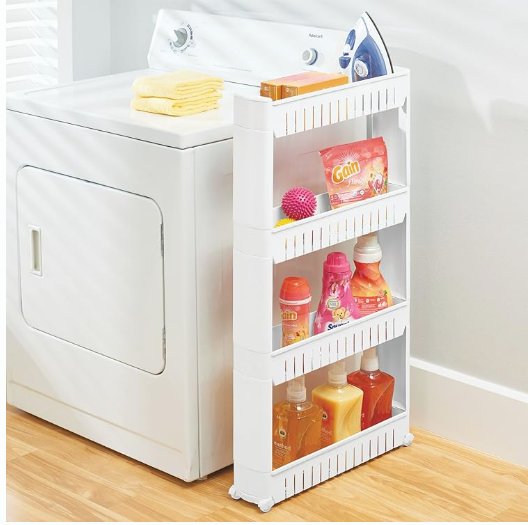
Why it sells: 5-shelf plastic rack, no-tool assembly, designed for garage, basement, laundry. Lightweight versus metal racks, water and rust resistant. Strong year-round seller.
Listing strengths: Tool-free assembly, water resistance, weight rating per shelf, replaces metal racks in damp areas.
View on Amazon
A typical plastic shelving rack at the design-forward end of the basic market. Open-arc shelving, larger format, but still positioned as a utility piece, not a furniture piece.
What is missing for premium:
A 5-shelf plastic rack repositioned as "design-forward garage storage" or "premium pantry shelving" in matte cream or soft black, sold with coordinated bins as a system. Target the Pinterest garage organization shopper at $129 to $189. FBM fulfillment likely required given size. Year 2 candidate; logistics are the gating factor.
The brand theme decision precedes product selection because the manufacturing palette, finish, and form vocabulary all need to align with whatever direction is chosen. These are starting points, not final identities. The discovery call refines one of these into a brief.
Off-white, sage, warm beige, charcoal. Quiet shapes, soft matte finishes, oak-tone accents. Photographed in bright minimalist homes with white walls and plants.
Terracotta, sand, olive, charcoal brown. Warm, grounded, slightly artisanal. Photographed with linen, wood, and dried botanicals. Aligns with the Cestos Artisan launch.
Cream, dusty rose, slate, warm white. Soft femininity without being childish. Photographed in light-filled rooms with linen bedding and morning sun. Best fit for kid and bath SKUs.
Earth Tone Matte is the most differentiated direction and aligns with the wider home-decor trend toward warm, lived-in palettes. Scandinavian Minimalist is the safest commercial choice and competes most directly with mDesign and Brightroom. Modern Soft is the strongest if the launch leans into kid and bath. The decision is a strategic one, not aesthetic, because it shapes every photo, every color, and every product variant downstream.
This is a long-term effort, not a sprint. The first four weeks are about direction, not product. The next 8 to 12 weeks qualify the SKUs. The next 12 to 26 weeks build the actual product. Launch follows.
After Year 1 establishes the brand, target 50 to 100 reviews per hero SKU with $50K to $200K monthly revenue per hero, the scale path opens up. Year 2 expands to 25 to 40 SKUs across the chosen lane(s). Year 3 explores Walmart marketplace, possible DTC site for halo, and category adjacencies. The 100+ SKU long-term ambition is real, but disciplined sequencing matters far more than breadth in the first 24 months.
This is a starting point for direction, not a finalized product plan. Once the brand stakeholders review and align, the next 1 to 2 hours of conversation set up the entire Phase 2 engagement. The agenda below is what that conversation has to resolve before any product qualification work begins.
After alignment, Phase 2 product qualification begins. From there, the next major moment is product development, which is where the actual brand is built. The 7 to 8 hero SKUs at launch are the output of these three phases working in sequence.